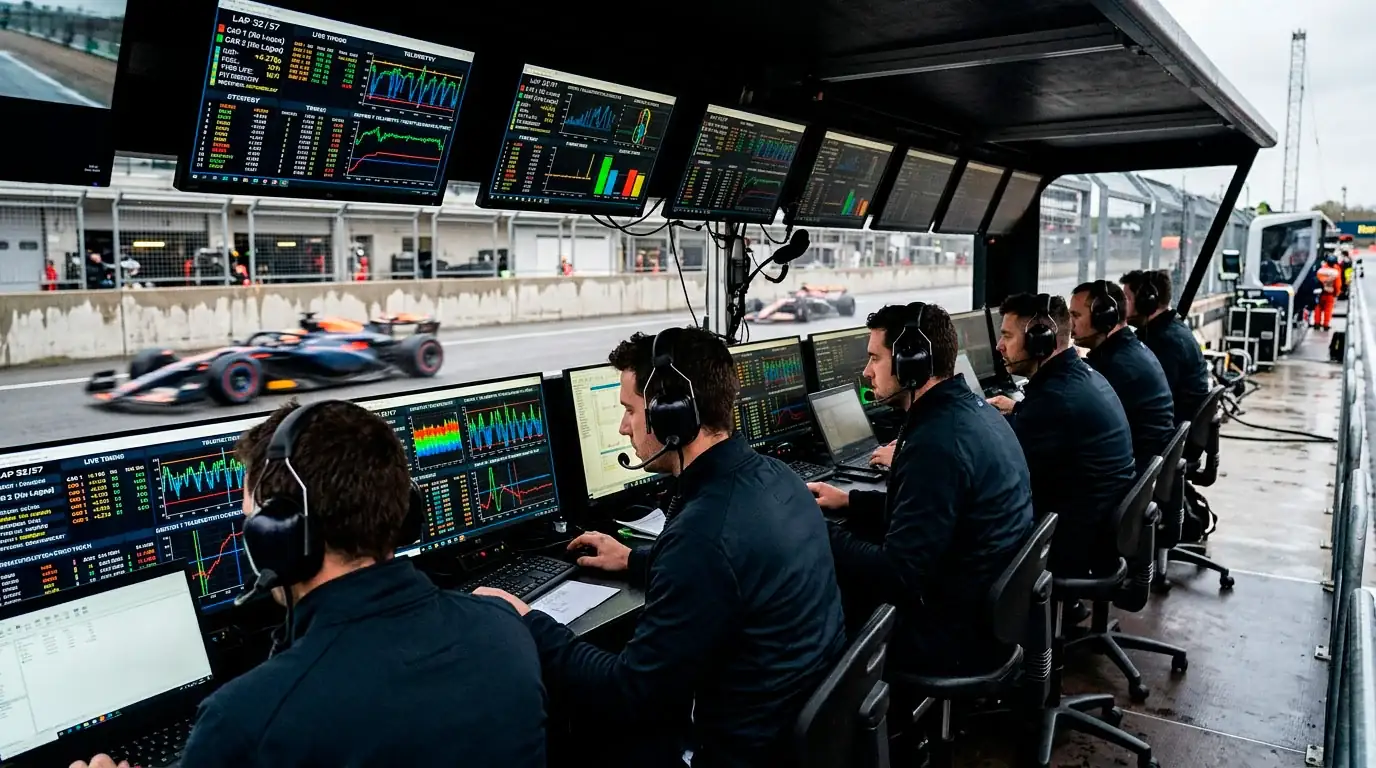
F1 Sprint Race Betting: How the Saturday Format Creates Distinct Markets
 Available in US
A Compressed Race That Compresses Odds
Sprint races are Formula 1 in miniature — roughly a third of the main race distance, no mandatory pit stop, and a grid set by a standalone qualifying session on Friday. The format has been part of the calendar since 2021, and by 2026 it features at six weekends per season. For bettors, sprints are not a sideshow. They are a distinct product with their own market dynamics, their own pricing quirks, and their own edges. An average F1 Grand Prix reaches 76.1 million viewers, and sprint weekends consistently pull higher engagement because the compressed format delivers more action per hour.
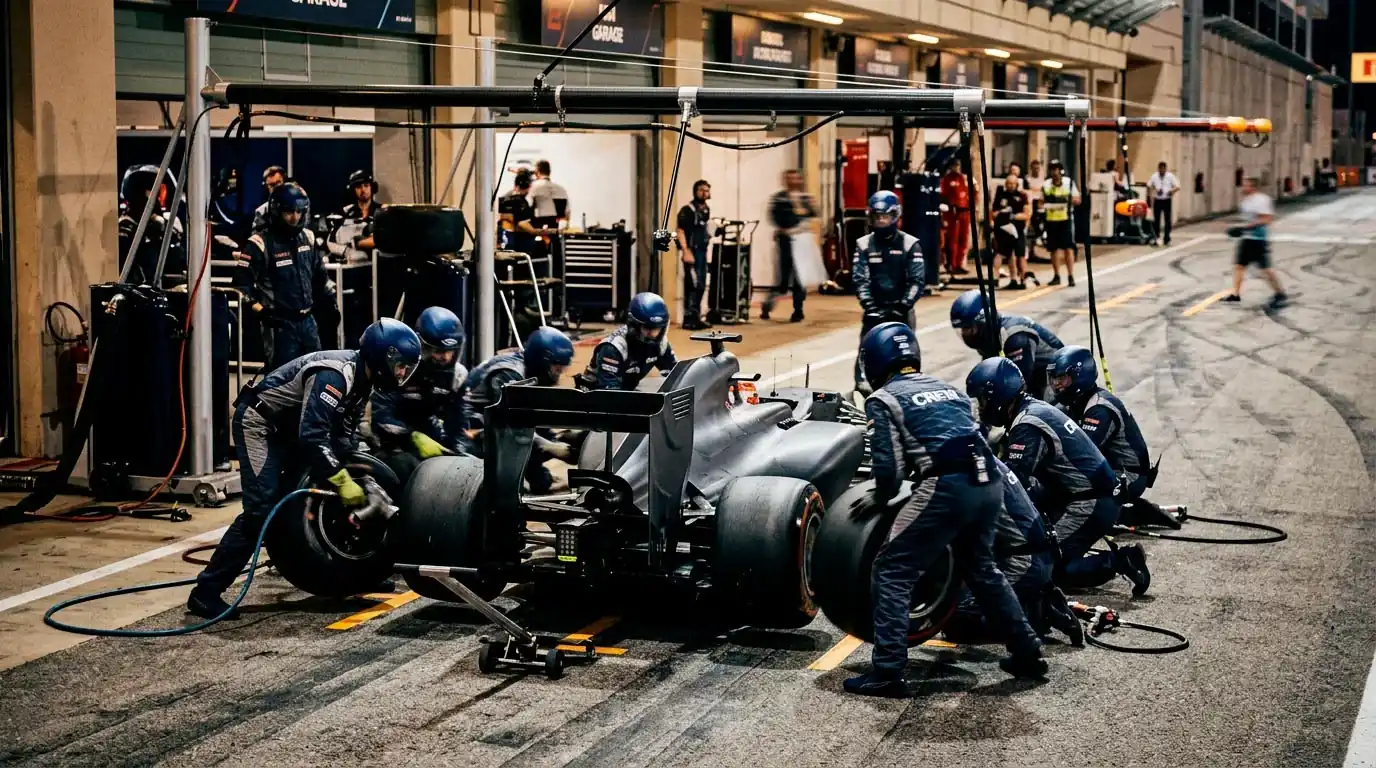
What makes sprint betting different from main-race betting is the absence of strategic complexity. No tyre changes, no fuel management drama, no safety car lottery reshuffling the deck over 50-plus laps. The sprint is a raw test of car performance and driver aggression over roughly 100 kilometres. That simplicity changes the probability distribution of outcomes, and the bookmakers do not always adjust their pricing to match.
See also: explore betting f1 for the latest F1 sprint guides.
Sprint Format in 2026: Schedule, Points and What Bookmakers Offer
I lost a sprint bet early in the format’s life because I did not fully understand the weekend schedule. That was an expensive lesson in reading the fine print. The 2026 sprint weekend runs on a modified timetable: FP1 on Friday morning, sprint qualifying (a three-part knockout session mirroring the main qualifying format) on Friday afternoon, the sprint race on Saturday morning, and the main qualifying and race following the standard pattern. The compressed schedule means teams have less practice data before the sprint — a single free practice session instead of the usual three.
Points are awarded to the top eight finishers in the sprint: eight points for the winner down to one point for eighth. Those points count toward both the drivers’ and constructors’ championships, which gives the sprint real stakes despite its shorter distance. For the sportsbooks, the sprint winner market, top-three, and head-to-head matchups are the standard offerings. Some bookmakers also offer fastest lap and first retirement markets for the sprint, though liquidity on those can be thin.
The correlation between viewership and betting volume — measured at r=0.85 across the 2020-to-2025 period — applies to sprint weekends as well. The additional betting event on Saturday effectively doubles the number of settlement opportunities for the weekend, which is why sprint-hosting circuits tend to generate higher overall betting turnover than standard weekends.
Sprint vs Main Race: How Market Behaviour Differs
The main race is a strategy chess match. The sprint is a knife fight. That difference produces measurably different outcomes that the betting market does not always reflect.
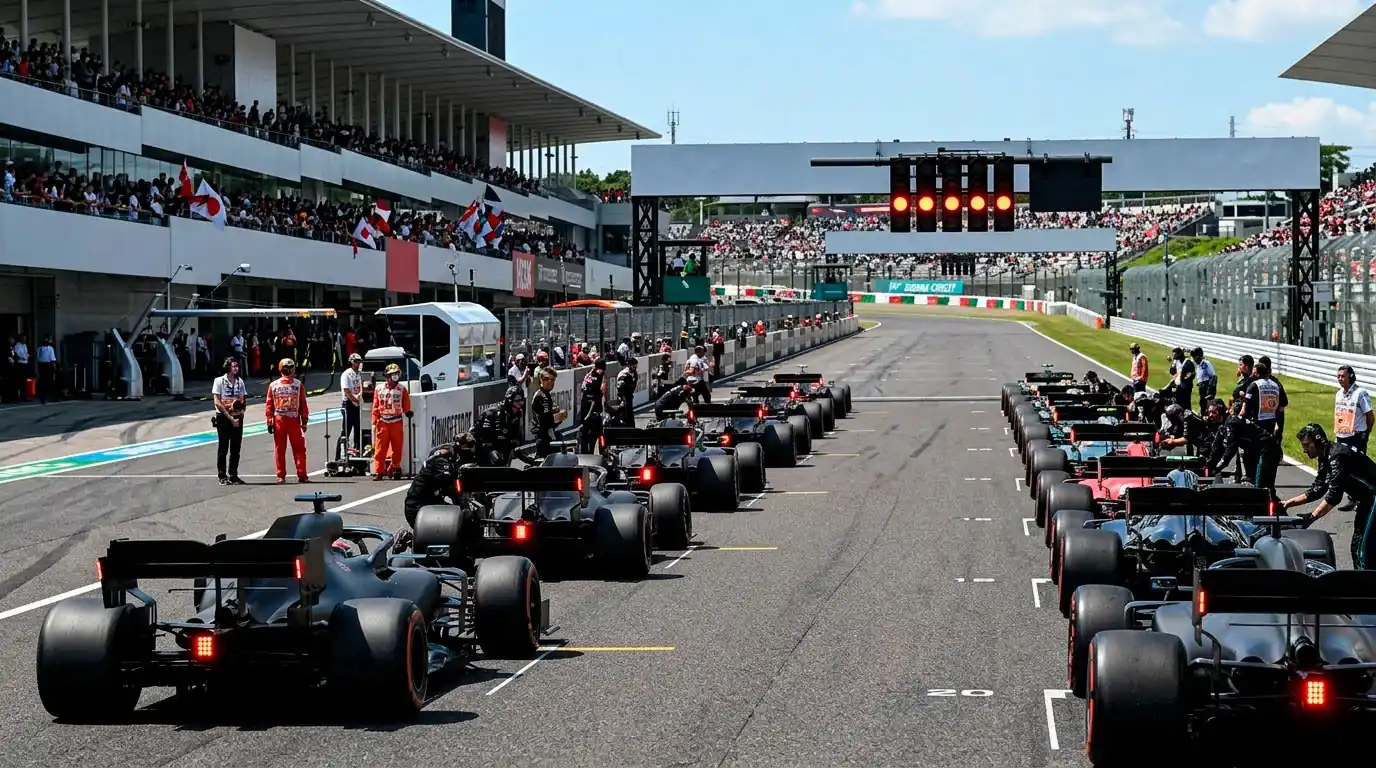
Grid position matters more in sprints than in main races because the shorter distance leaves less time for strategic recovery. A driver who qualifies poorly for the sprint has fewer laps to overtake, no pit stop to gain track position, and no safety car guarantee to bunch the field. The pole-to-win conversion rate in sprints has been consistently higher than in main races over every season since the format was introduced. If you are backing a driver to win the sprint, qualifying performance is the single most important input — more so than for the main race.
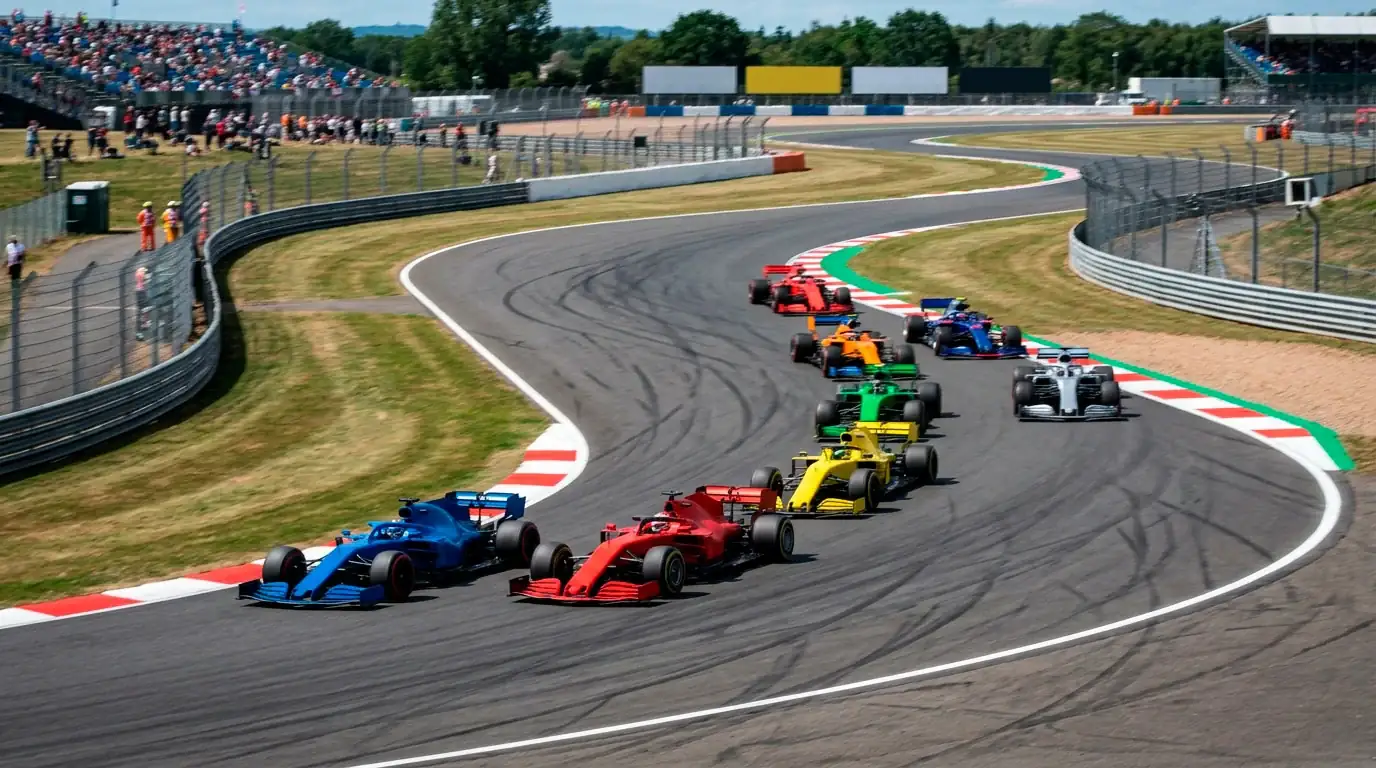
Tyre degradation behaves differently over a sprint distance. Drivers push harder from the start because there is no need to preserve tyres for a second stint. That aggression creates more opening-lap incidents and more position changes in the first three laps than the same circuit typically produces in a main race. The sprint winner market should be priced with a higher probability on the pole-sitter and a flatter distribution among the rest, but the bookmakers often carry over their main-race pricing assumptions, slightly adjusting rather than fundamentally repricing.
Head-to-head markets in sprints are particularly interesting. Without pit strategy as a variable, the H2H outcome depends almost entirely on qualifying position and opening-lap execution. If one driver in a H2H pairing consistently qualifies ahead of the other, the sprint amplifies that advantage because there is no strategic equaliser available. Backing the stronger qualifier in sprint H2H matchups has been a positive-expectation play over multiple seasons.
Sprint-Specific Betting Angles
The reduced practice data before a sprint qualifying session creates informational asymmetry. Teams have one hour of FP1 to dial in the car before sprint qualifying, which means their setup is less optimised than it would be for the main qualifying session after a full Friday and Saturday morning of practice. Some teams adapt faster than others — those with more experienced engineering staff or better simulation tools tend to extract more from limited track time. Identifying which teams consistently outperform in sprint qualifying relative to main qualifying is a seasonal edge worth tracking.
See also: wager in real time with our F1 live betting guide.
Weather plays an outsized role at sprint weekends. If rain hits during the single practice session, teams enter sprint qualifying with minimal dry-running data, and the grid can look very different from expectations. A rain-affected sprint qualifying is one of the highest-variance events on the F1 calendar, and the sprint winner odds in those situations are wider than at any other time. If you specialise in wet-weather form analysis, sprint weekends in changeable climates are your playground.
Finally, consider the psychological dynamic. Sprint points are worth less than main-race points, so some drivers and teams take a conservative approach to sprints — particularly if the car is fast enough to target a main-race win and they do not want to risk damage on Saturday. That conservatism at the front can create value further down the grid, where midfield drivers racing with nothing to lose push harder and outperform their car’s baseline pace. Backing a live betting approach during the sprint’s opening laps, when the aggression differential is highest, can be more profitable than a pre-race position.
How does the F1 sprint format affect betting?
The sprint creates a separate betting event on Saturday with its own qualifying session, winner market, and head-to-head matchups. The shorter distance removes pit strategy as a variable, which increases the importance of qualifying position and reduces the probability of strategic overtakes. Sprint outcomes tend to be more predictable from the grid, which means the favourite wins more often, but the bookmakers do not always fully adjust their pricing to reflect this, creating value on the pole-sitter and strong qualifiers.
Are sprint race odds typically tighter than main race odds?
Sprint winner odds should be tighter because the shorter distance and absence of mandatory pit stops reduce the number of variables that can change the outcome. In practice, bookmakers often apply only a partial adjustment from their main-race pricing, which means the sprint favourite is sometimes underpriced relative to their true win probability. Head-to-head and top-three markets in sprints also tend to offer slightly less value on the favourite and slightly more on the underdog than the underlying probabilities warrant.
Created by the ”Betting f1” editorial team.