F1 Qualifying Betting: Pole Position Tips, Grid Markets and Session-by-Session Odds
 Available in US
Qualifying as a Betting Event in Its Own Right
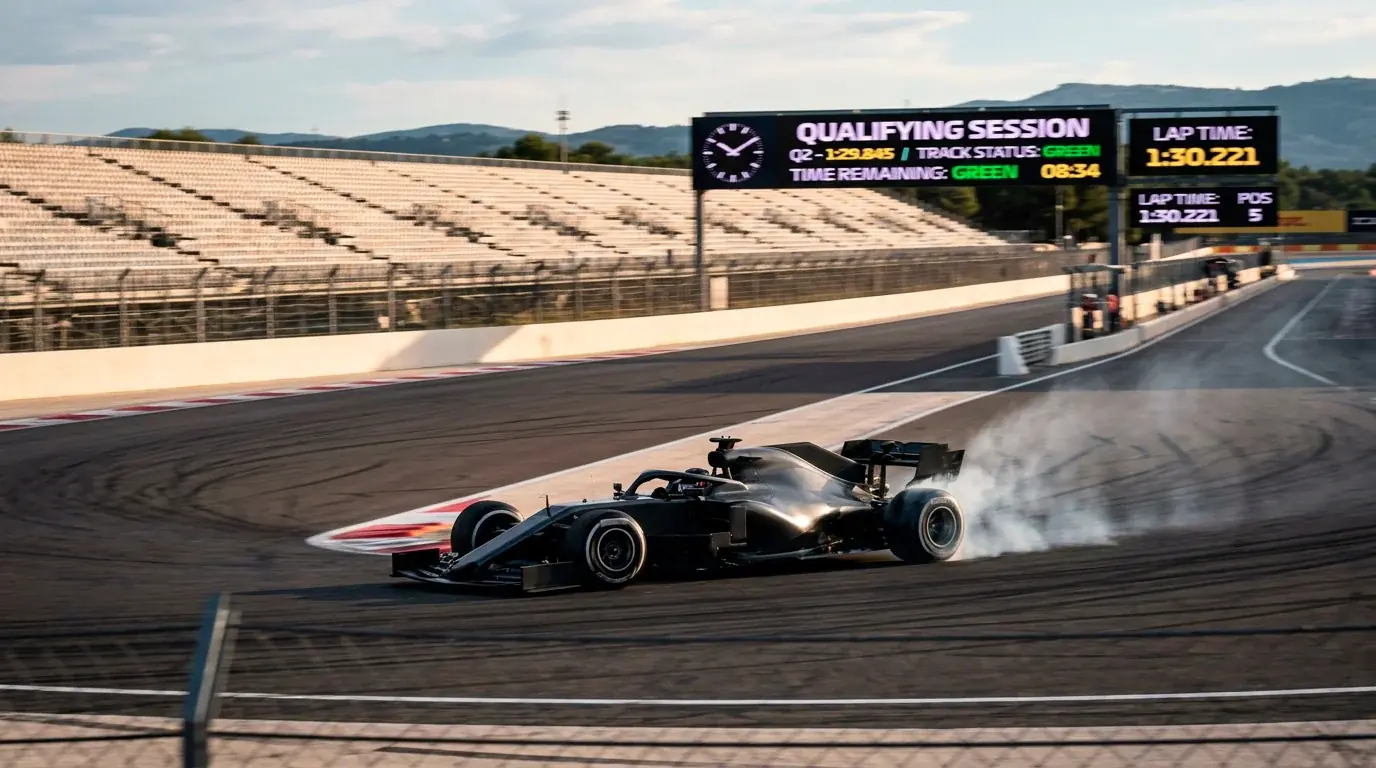
Most casual punters treat qualifying as a preview. I treat it as a standalone market with its own logic, its own edges, and its own settlement. The average F1 Grand Prix draws 76.1 million viewers — the highest figure since 2020 — and a growing share of that audience now watches qualifying live, which means the betting volume on Saturday sessions has climbed in step. Qualifying is no longer a warmup act. It is the opening round of a two-day betting event.
What makes qualifying markets distinct is their compressed timeframe. A race unfolds over 90 minutes with dozens of variables — pit stops, tyre degradation, safety cars, weather shifts. Qualifying condenses the competition into three sessions totalling roughly an hour, with the outcome determined by a single flying lap. That simplicity is both the appeal and the trap. Fewer variables means less noise, but it also means less room for the market to misprice a driver — unless you know where to look.
See also: browse betting f1 for essential F1 Saturday markets.
Market Types: Pole Position, Top-3 Grid, Group Matchups
I watched a friend lose a pole position bet at Jeddah because his driver set the fastest time in Q2 but made a mistake in the final sector of Q3. That is the nature of this market — it rewards the peak moment, not the average. Understanding the market types helps you decide which one matches your analysis.
The pole position market is the headline offering: pick the driver who sets the fastest qualifying time. UK bookmakers typically list every driver individually, with the favourite priced around 6/4 to 2/1 at circuits where one team dominates, and closer to 3/1 or 4/1 at more competitive venues. The implied probability of the favourite rarely exceeds 45 per cent, which leaves substantial room for value on the second and third favourites.
Top-three grid is a softer version — you need your driver to qualify in the top three positions. The odds are shorter, but the strike rate is significantly higher, and it removes the variance of a single-lap mistake in Q3. For punters who have identified a quick car but are not confident about pole, top-three grid is often the better bet mathematically.
Group matchups — head-to-head qualifying markets between two named drivers — strip away the field entirely. You are betting on which of two drivers qualifies higher, regardless of their absolute position. These are particularly useful when you have a strong view on the relative performance of two teammates or two drivers in similarly-paced cars. The settlement is binary and the analysis is focused, which is why I lean on these more than any other qualifying market.
Using Practice Session Data to Inform Qualifying Bets
The correlation between F1 viewership and betting volume sits at r=0.85, and practice sessions are where that link starts. Friday practice times are noisy — teams run different fuel loads, different tyre compounds, different programmes — but they are not meaningless. The trick is knowing what to filter.
Long-run pace (race simulation runs on used tyres) tells you about Sunday. Short-run pace (low-fuel laps on fresh soft tyres) tells you about Saturday. Most timing screens and data feeds published during practice include sector splits, which reveal where a car is gaining or losing time relative to the field. If a driver is consistently fastest through the high-speed sectors in FP2, that pattern tends to carry into qualifying at power-sensitive circuits.
FP3, which runs on Saturday morning before qualifying, is the most predictive session. Teams typically run qualifying simulations — low fuel, fresh softs, full performance modes — and the lap times from FP3 correlate more strongly with actual qualifying results than any other practice session. I have found that the FP3 top three matches the Q3 top three roughly 55-60 per cent of the time over a full season. That is not a guarantee, but it is a better starting point than gut instinct.
One caveat: track evolution. At street circuits and new venues, the track surface improves dramatically from Friday to Saturday as more rubber is laid down. FP1 and FP2 times at these circuits are almost useless for qualifying predictions. Wait for FP3, and even then, apply a correction for the additional grip that builds during the qualifying sessions themselves.
Wind direction is another variable that practice data does not always capture. A headwind on the main straight during FP3 that shifts to a tailwind by Q3 changes straight-line speeds and braking points. Teams monitor this in real time, but the publicly available practice timing data does not flag the wind factor. If you have access to weather data for the circuit, cross-referencing wind forecasts with sector-time patterns from practice gives you an extra layer of qualifying prediction accuracy.
How Qualifying Results Move Race-Day Odds
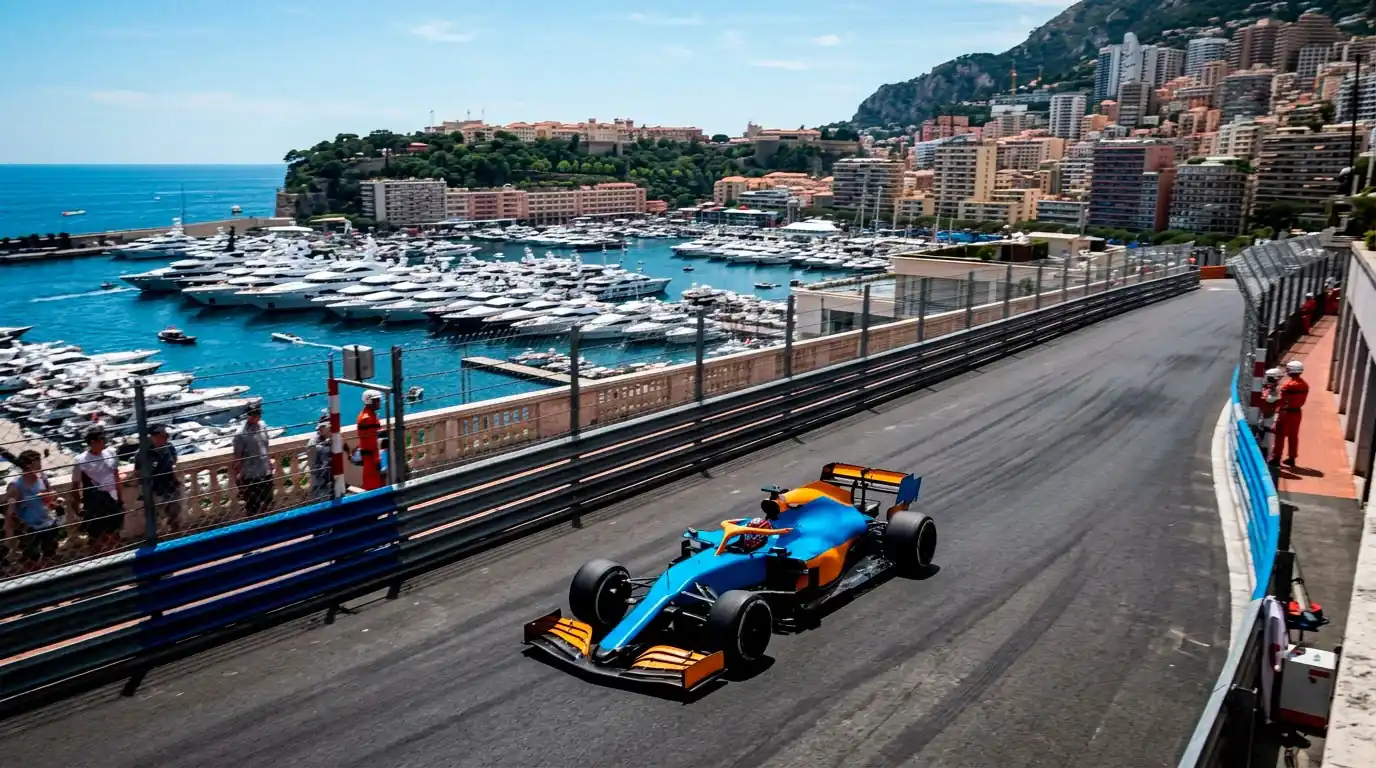
The moment Q3 ends, the race winner market reprices. A driver who qualifies on pole sees their race-day odds shorten immediately, often by 20-30 per cent depending on the circuit. At Monaco, where overtaking is nearly impossible, pole position effectively halves the race winner odds. At Monza, where slipstreaming and DRS create genuine overtaking opportunities, the pole-to-win conversion is lower and the repricing is gentler.
See also: factor in starting positions with our F1 grid penalty betting article.
This repricing window — the gap between the end of qualifying and the close of pre-race betting on Sunday — is one of the most underused edges in F1 betting. If your pre-qualifying analysis identified a driver as likely to be fast on race day but the qualifying result disappointed, the race-day odds on that driver will drift further than the underlying pace data justifies. Conversely, a surprising qualifying result can compress odds beyond what the race-day performance warrants, creating a lay opportunity on exchanges or a pass on the traditional market.
The drivers who consistently qualify well but race poorly — or vice versa — are where the structural mispricing lives. Some cars are set up aggressively for qualifying trim and sacrifice race pace; others do the opposite. Tracking the qualifying-to-race conversion patterns over a season gives you a repeatable edge that most recreational punters overlook entirely.
How do qualifying session results affect race-day odds?
Qualifying results trigger immediate repricing of the race winner market. A pole-sitter’s race-day odds shorten by 20-30 per cent at most circuits, and the effect is strongest at tracks where overtaking is difficult, such as Monaco or Singapore. The repricing window between qualifying and race day is a key opportunity: if a driver qualifies poorly despite strong underlying pace, their race-day odds may drift further than justified, offering value.
Is practice session pace a reliable predictor of qualifying performance for betting?
FP3 is the most predictive practice session, with the top-three order matching the Q3 top three roughly 55-60 per cent of the time over a full season. FP1 and FP2 are noisier because teams run different programmes, fuel loads, and tyre compounds. At street circuits and new venues, track evolution makes Friday times particularly unreliable — wait for Saturday morning data before committing to a qualifying bet.
Created by the ”Betting f1” editorial team.