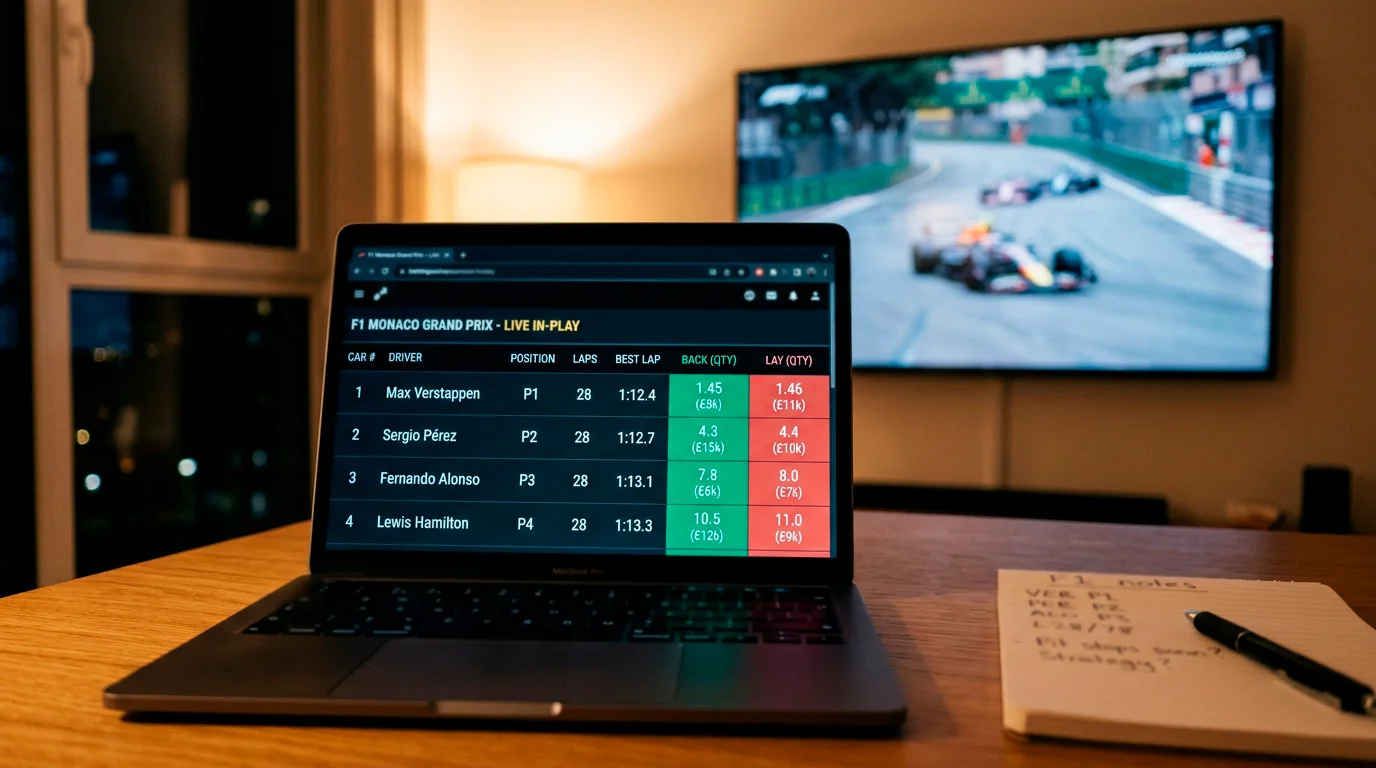
F1 Fastest Lap Betting: How Tyre Strategy and Pit Timing Shape the Odds
 Available in US
The Most Tactical Prop Market in Formula 1
Most F1 prop markets are binary — will there be a safety car, yes or no. The fastest lap market is different. It sits at the intersection of strategy, tyre management, and driver ambition, and that layered complexity is what makes it one of my favourite bets on any given race weekend. Over 30 per cent of F1’s digital audience engages with betting-related content during race weekends, and the fastest lap prop is one of the markets that keeps them watching right to the final lap.
The bonus championship point awarded for the fastest race lap — introduced in 2019 — transformed this market from an afterthought into a tactical weapon. Suddenly, the fastest lap was not just a statistical footnote. It was worth real championship currency, and teams started engineering pit stops specifically to chase it. That shift created a betting market with genuine strategic depth, and understanding the mechanics behind it is the difference between a punt and a position.
See also: check out betting f1 for all F1 wagering guides.
How the Fastest Lap Market Works at UK Bookmakers
I once placed a fastest lap bet on a driver who pitted with three laps to go for fresh soft tyres, only to watch the team ahead do exactly the same thing one lap later and steal the fastest lap on the final tour. That is the nature of this market — it rewards patience and reading the race as much as picking the fastest car.
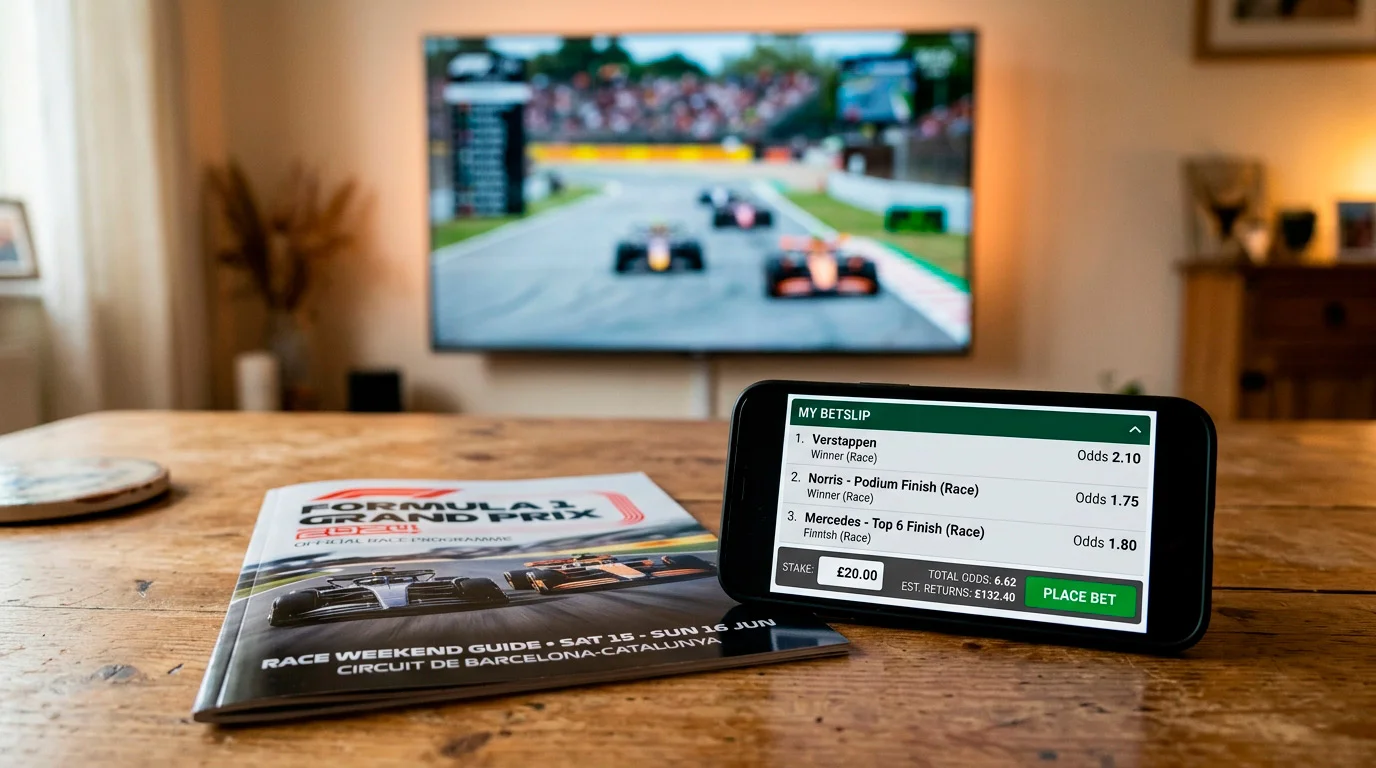
At most UK sportsbooks, the fastest lap market lists every driver on the grid with individual odds. The favourite is typically whoever qualified on pole or leads the championship, priced somewhere between 3/1 and 5/1 depending on the circuit. The field spreads out from there, with backmarkers occasionally available at 100/1 or longer. Unlike the race winner market, where the top three drivers absorb most of the implied probability, the fastest lap market distributes probability more evenly because any driver on fresh tyres in the closing laps has a realistic shot.
Settlement is straightforward: the driver who records the single fastest lap during the race wins. If the fastest lap is set by a driver who finishes outside the top ten, the championship point is not awarded, but the bet still pays. That distinction matters — it means the betting market and the sporting incentive do not always align, which is where mispricing creeps in.
Why Tyre Choice and Pit Windows Decide the Fastest Lap
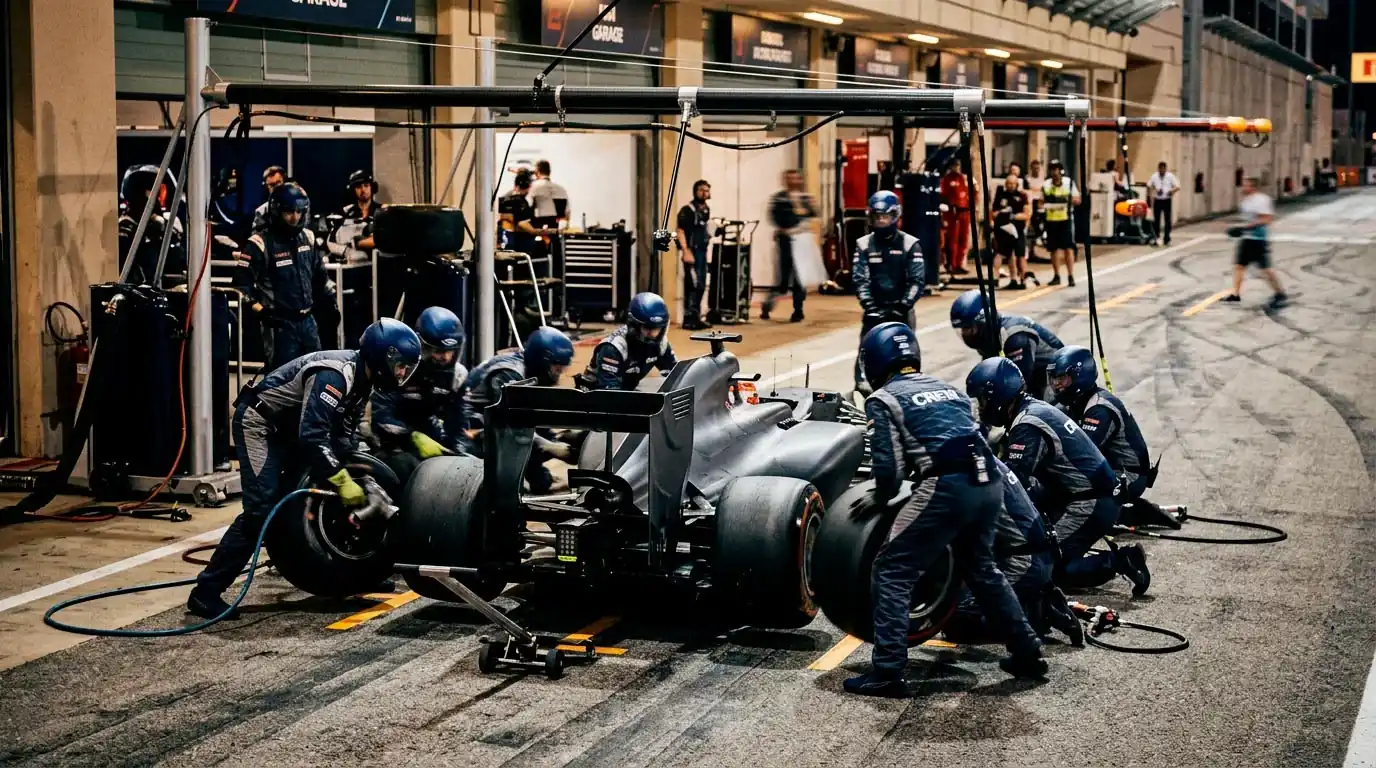
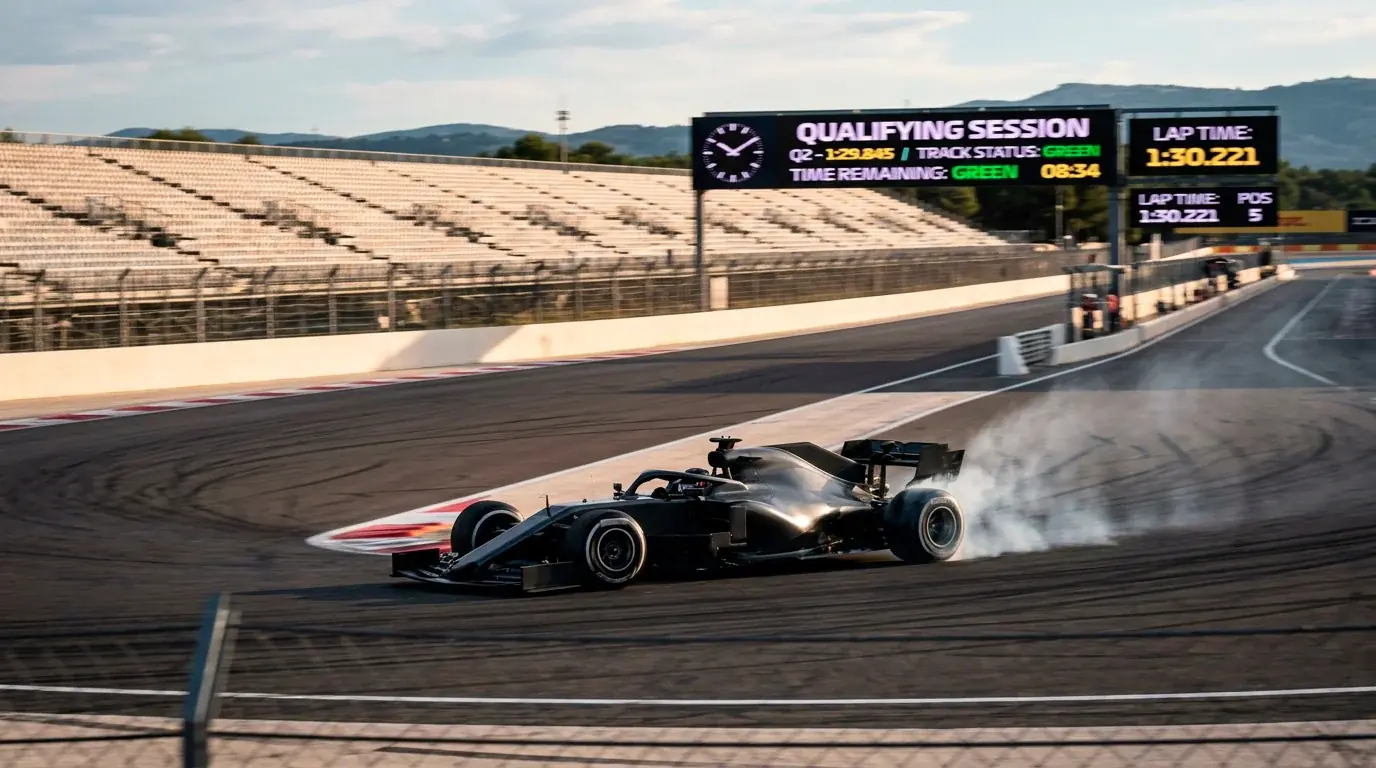
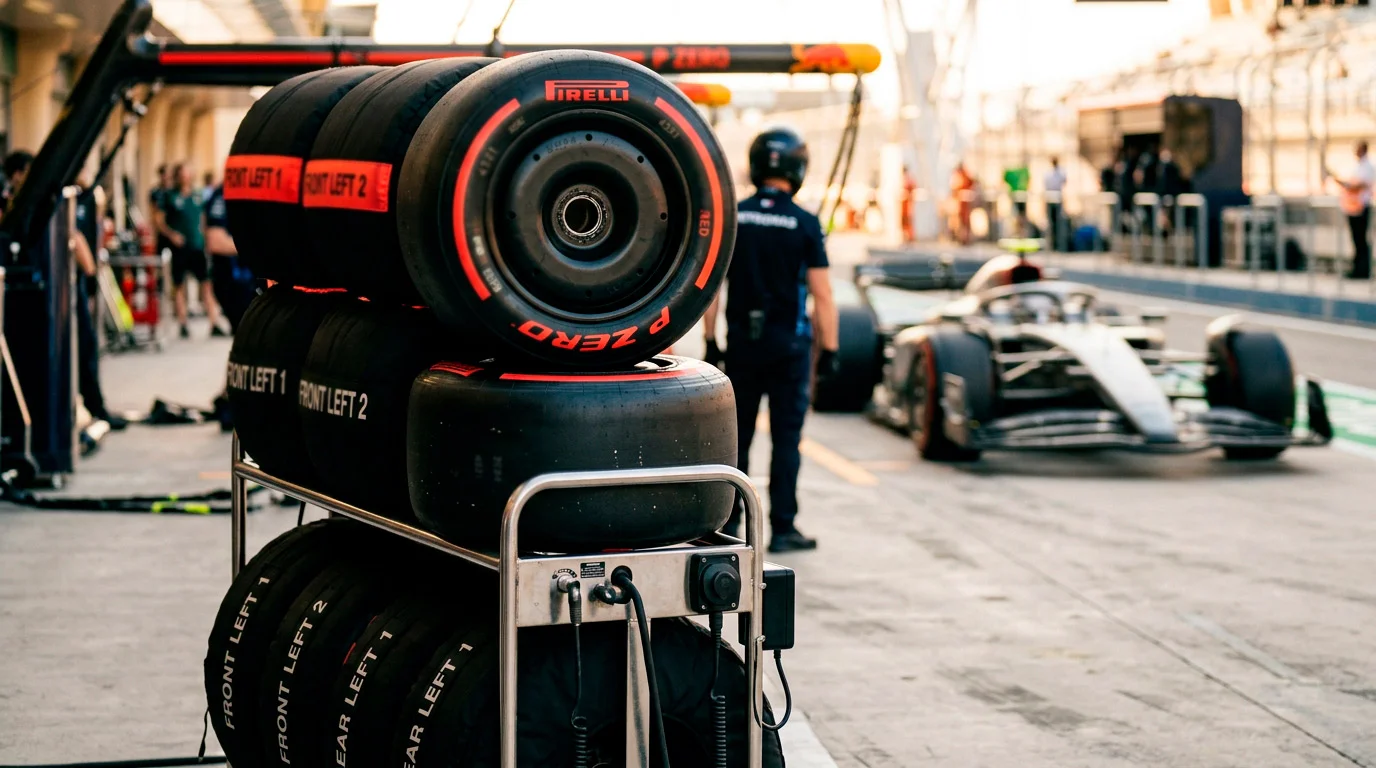
Forget raw car pace for a moment. The fastest race lap is almost always set on fresh soft-compound tyres with low fuel load, typically in the final ten laps. The question is not which car is fastest in an absolute sense but which team chooses to sacrifice track position or pit-stop time to bolt on a new set of softs for a fastest-lap attempt.
Three scenarios dominate. First, a driver comfortably inside the top ten with a large gap to the car behind pits for softs with no positional cost. Second, a driver running outside the points pits for softs because there is nothing to lose and the team wants the data or the narrative. Third — and this is where the value hides — a driver in a tight championship battle pits specifically for the bonus point, treating it as a strategic investment rather than a vanity stat.
Tyre degradation characteristics at each circuit determine which scenario plays out. At high-degradation tracks like Barcelona or Bahrain, a late pit stop for softs produces a massive pace delta over cars on worn rubber. At low-degradation circuits like Monza, the delta is smaller and the risk of losing position is higher, so fewer teams bother. Matching the circuit profile to the likely pit strategy is the core analytical step for this market.
Pit window timing adds granularity. If the optimal race strategy is a two-stop, the second pit stop often falls around lap 40-45 in a 55-lap race. A team that stretches to lap 48 or 49 and bolts on softs has a genuine fastest-lap shot with minimal extra cost. But if the strategy is a one-stop, a dedicated fastest-lap pit stop means an entirely extra visit to the pits — a commitment that costs 20-25 seconds. Few teams make that trade unless the championship arithmetic demands it.
The weather adds another layer. A drying track in the closing laps after rain can produce an unexpected fastest lap from a driver who gambles on slick tyres before anyone else. Those situations are impossible to predict pre-race, but they explain why the fastest lap market occasionally pays out at double-digit odds.
Data Patterns: Which Drivers Target the Fastest Lap Point
Forty-three per cent of F1 fans are under 35, and that younger demographic follows driver rivalries obsessively. The fastest lap point has become a subplot of those rivalries, with certain drivers and teams treating it as a systematic target rather than an opportunistic grab.
See also: explore another race-day market in our F1 pit stop betting article.
Over the 2022-to-2025 seasons, a clear pattern emerged: the driver leading the championship and the driver closest to them in the standings accounted for roughly 60 per cent of all fastest laps. That concentration makes sense — those are the drivers with the most to gain from the bonus point and the teams most willing to sacrifice a pit stop to chase it. When the championship is tight, the fastest lap market narrows. When it is a runaway, the leader’s team often uses the fastest lap pit stop as a low-risk PR moment.
The contrarian angle is to identify races where the championship leader has no incentive to chase the fastest lap — a dominant lead, a poor qualifying position that puts them in traffic, or a circuit where an extra pit stop carries high positional risk. In those races, the fastest lap is up for grabs, and the data-driven F1 betting strategies that work best are the ones that identify which midfield team is most likely to roll the dice with a late tyre change.
One more pattern worth tracking: sprint-race weekends. The compressed schedule means teams have less practice data on tyre degradation, which increases uncertainty around pit strategy and, by extension, the fastest lap market. Sprint weekends consistently produce faster-lap outcomes at longer odds than standard weekends, and that is a structural edge you can plan around by checking the calendar.
Does the bonus championship point affect which drivers go for fastest lap?
Absolutely. Since the bonus point was introduced in 2019, teams in championship contention have systematically targeted the fastest lap through deliberate late pit stops for fresh soft tyres. The effect is strongest when the championship battle is close — both leading teams will sacrifice pit-stop time to secure the extra point. When the title is effectively decided, the incentive drops, and the fastest lap becomes more unpredictable and often pays at longer odds.
What tyre compound is most commonly used for the fastest race lap?
The soft compound accounts for the overwhelming majority of fastest race laps. The typical pattern is a late pit stop — usually within the final ten laps — onto fresh softs with low fuel load. At high-degradation circuits, the pace advantage over worn medium or hard tyres is substantial, making a dedicated fastest-lap stop almost routine for top teams. At low-degradation tracks, the advantage shrinks and fewer teams bother, which is why fastest lap odds tend to be longer at circuits like Monza or Spa.
Published by the Betting f1 team.