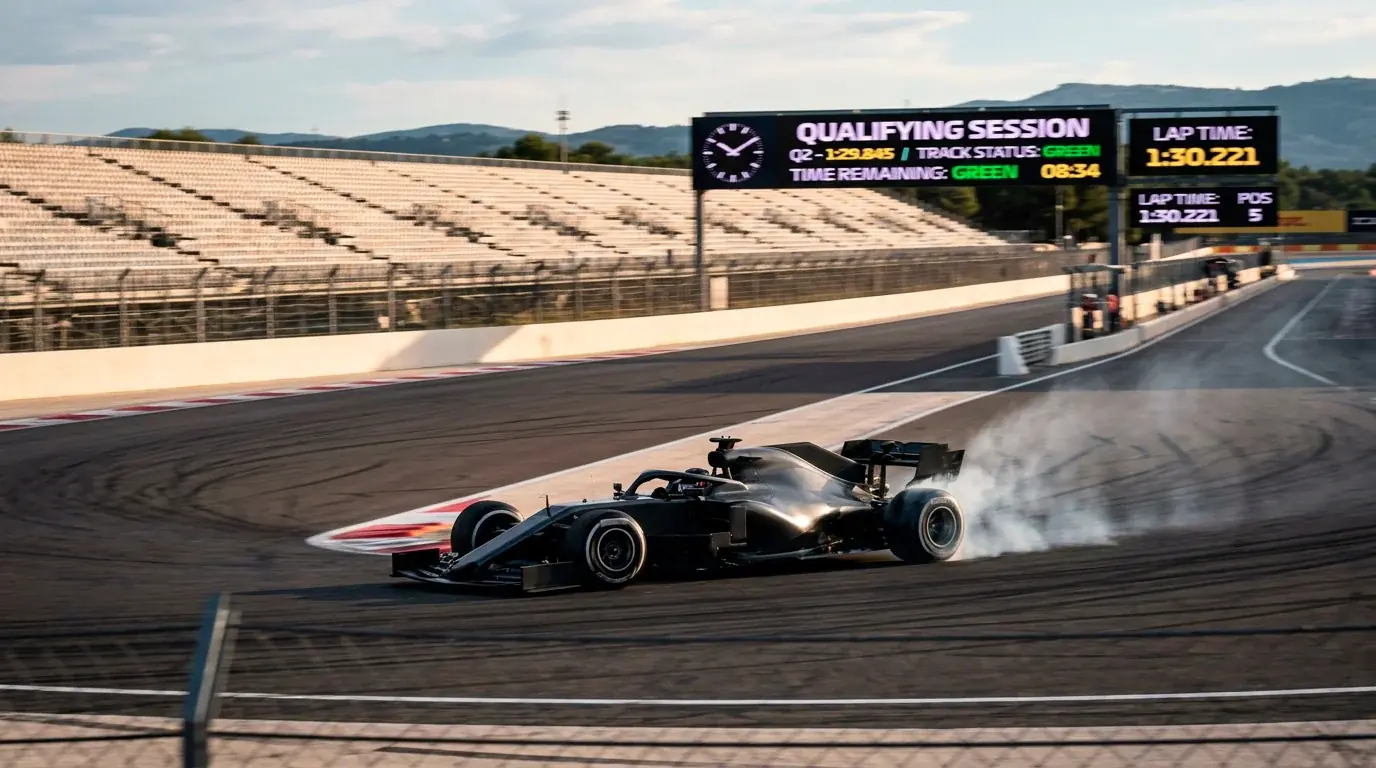
F1 Constructors’ Championship Betting: Season-Long Team Markets and Value Windows
 Available in US
The Overlooked Championship Market With Built-In Edges
Ask ten F1 bettors which championship market they follow, and nine will say the drivers’ title. The constructors’ championship is the quieter sibling — less glamorous, less talked about in pubs, and significantly less liquid at most sportsbooks. That neglect is exactly why I have found more consistent value here over the past eight years than in any other season-long market. F1 accounts for just 0.4 per cent of the global betting handle, and within that sliver, the constructors’ market is a fraction of a fraction. Low volume means less sharp money, which means softer odds.
The constructors’ championship aggregates both drivers’ points into a single team score across all 24 races. That averaging effect smooths out individual driver variance — a retirement for one driver hurts less when the teammate picks up points — and makes the market more predictable than the drivers’ title. Predictability is not the same as certainty, but it does mean that analytical edges persist longer before the market corrects.
How Constructor Championship Odds Form and Evolve
Pre-season constructor odds are built on a cocktail of prior-year performance, winter testing signals, driver line-up changes, and rumour-mill reports about aero concepts. Total F1 sponsorship spending is projected to exceed $3 billion in 2026, and the teams attracting the most investment tend to be priced shorter — the market assumes money correlates with performance, which is broadly true but far from deterministic.
What the opening odds rarely capture is the shape of the development curve. A team might start the season with the third-fastest car but have the most aggressive upgrade schedule, leapfrogging rivals by mid-season. Alternatively, a team that dominates the opening rounds might plateau because the regulation package limits development directions. The constructors’ championship is not won in Bahrain. It is won in the second half of the calendar, when the cumulative effect of upgrades and reliability determines the final standings.
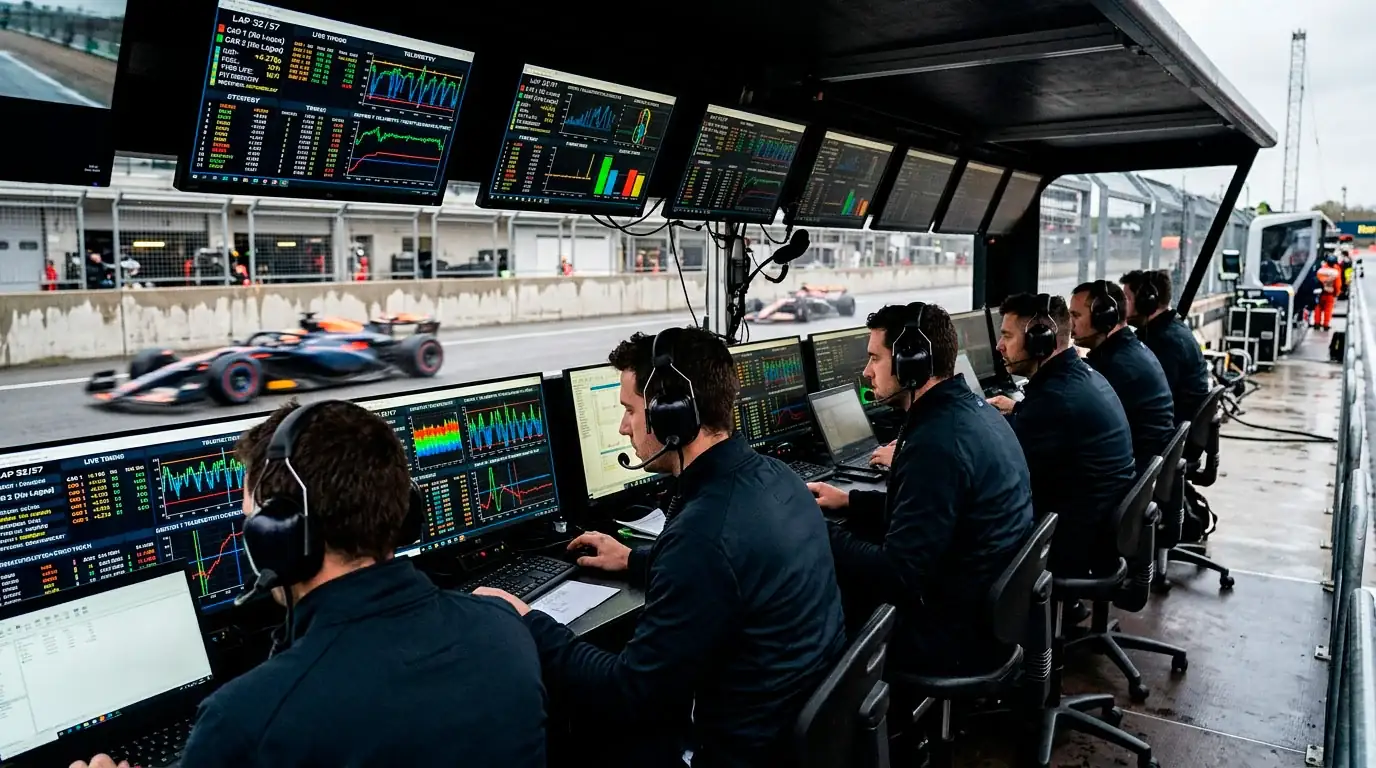
The practical implication: opening-day constructor odds overweight the pre-season hierarchy and underweight the development trajectory. If you can form a view on which teams have the deepest development pipeline — by tracking hiring announcements, wind tunnel allocation data, and technical director commentary — you have an edge that does not appear in the opening prices.
Mid-Season Upgrades and the Windows They Open for Bettors
Stefano Domenicali, F1’s CEO, described the 2025 season as having “three different moments where everyone thought the championship was decided.” Each of those moments was triggered by a major upgrade package from one of the leading teams. For the constructors’ market, those upgrade inflection points are the equivalent of earnings surprises in equity trading — they cause rapid repricing that either creates or destroys value.
The European summer stretch — roughly from the Spanish Grand Prix through to Monza — is historically when teams bring their biggest upgrades. Wind tunnel and CFD development over the winter crystallises into physical parts, and the mid-season races provide consistent conditions for evaluating their impact. If a team brings a significant floor or sidepod upgrade and gains three-tenths per lap, the constructors’ odds respond within a race weekend.
My approach is to place an initial constructors’ futures position pre-season at the widest odds, then adjust through the season by adding or hedging after major upgrade rounds. The key is not to be fully committed before the data is in. A 25 per cent allocation pre-season, a 25 per cent addition after the first upgrade cycle confirms the trajectory, and a final 50 per cent when the constructors’ standings at the halfway point validate the thesis. That staged approach limits downside while capturing most of the odds compression.
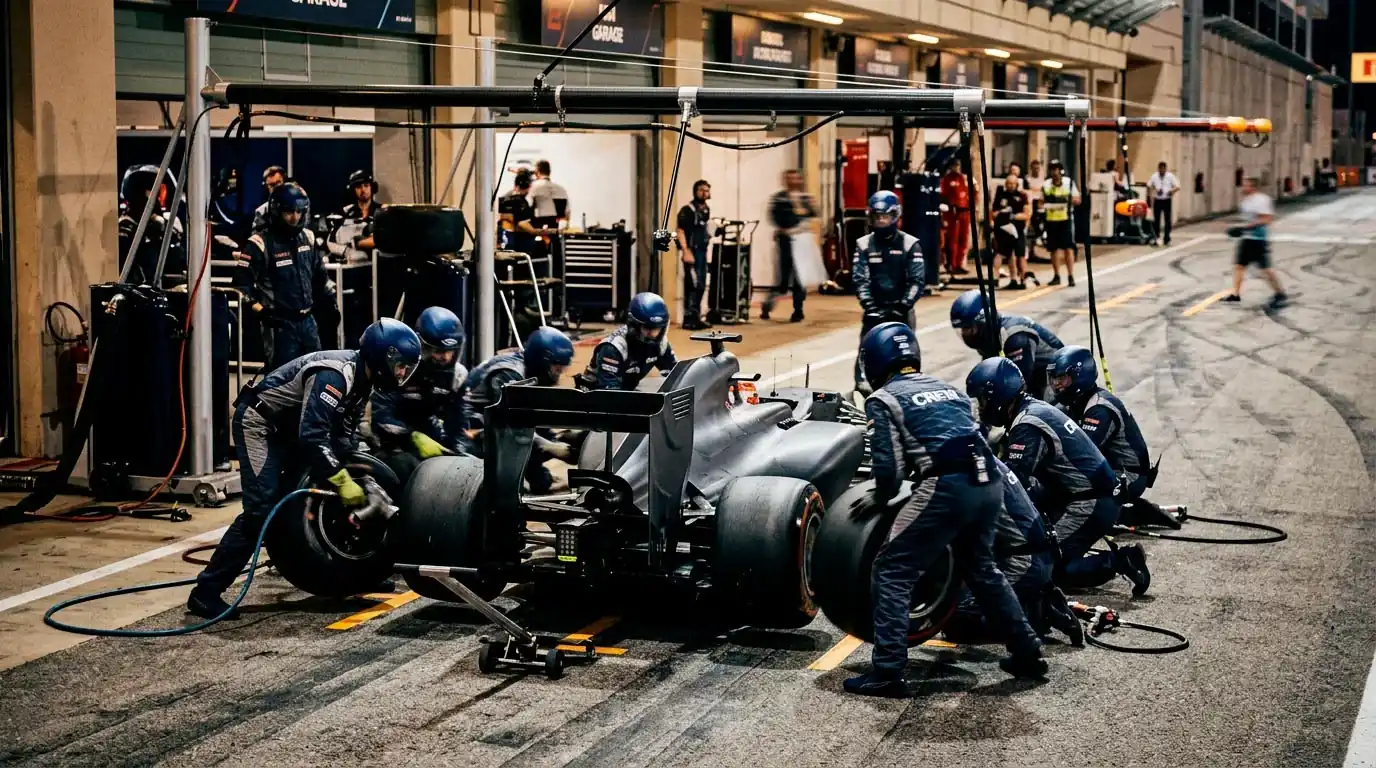
Reliability is the hidden variable that separates constructors’ market winners from losers. A car that retires from a points-paying position costs the team roughly 15-18 points on average — the equivalent of two or three clean race weekends of consistent scoring. Teams with new power unit suppliers or aggressive packaging concepts tend to suffer more early-season reliability failures, and those failures compound quickly in the constructors’ standings. By mid-season, a team with three double-DNF weekends can be mathematically out of contention for a constructors’ position that the pure pace data says they should hold. Tracking reliability patterns across the first five races gives you an edge on whether the opening-price constructors’ position is sustainable or built on borrowed time.
The Two-Driver Dynamic: When One Driver Carries the Team
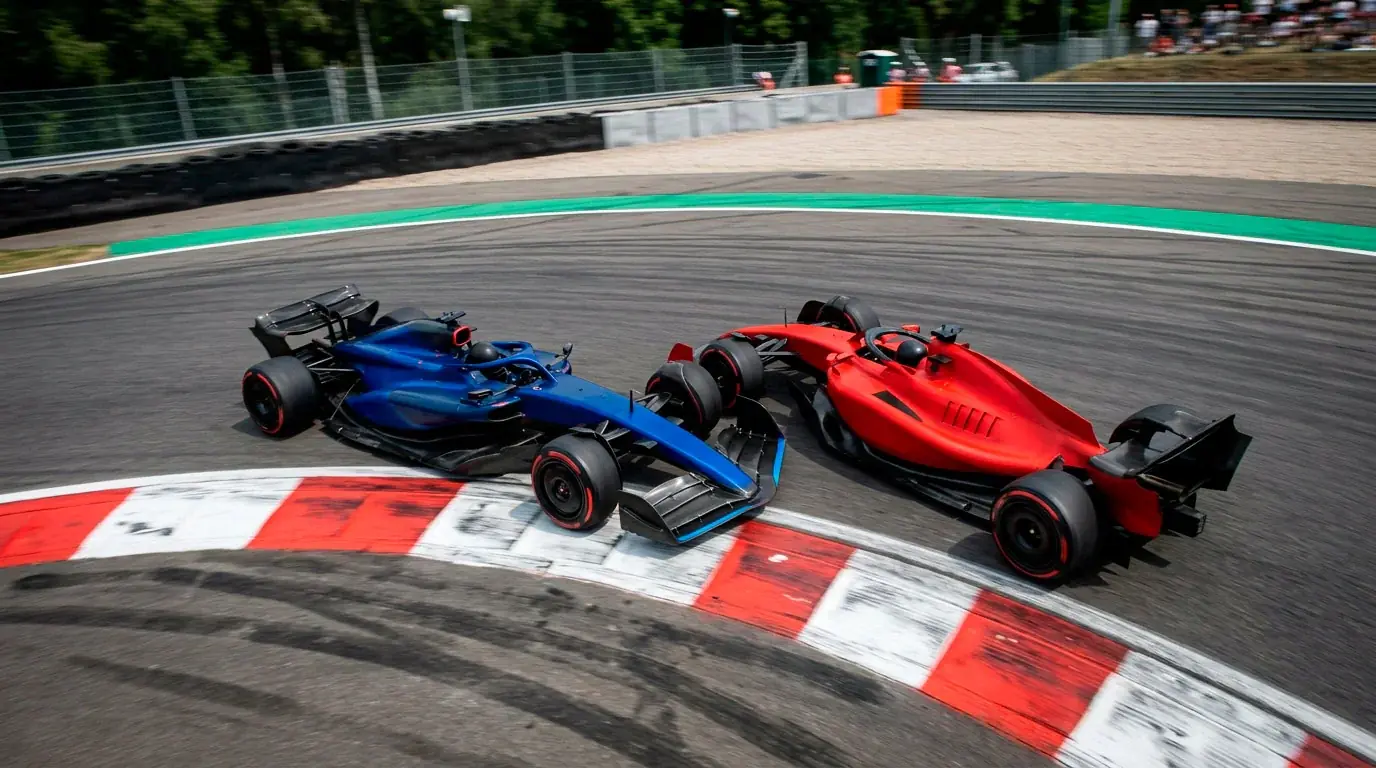
The constructors’ championship is a team sport, but the contribution is rarely equal. Over the past decade, the average gap between a team’s first and second driver in championship points has been roughly 35-40 per cent. That asymmetry matters for betting because the market prices the team as a unit while the output comes from two distinct performers.
When a team has one elite driver and one midfield-calibre teammate, the constructors’ odds reflect an average that may underestimate the team’s ceiling and overestimate its floor. The elite driver consistently delivers podiums and wins, while the teammate fluctuates between sixth and tenth. The aggregate points total is decent but not dominant, and the odds reflect that middling expectation. If the teammate finds form — or if the team promotes a faster junior driver mid-season — the constructors’ odds shorten rapidly because the improvement is multiplicative, not additive.
Conversely, a team with two closely-matched drivers who both score consistently is undervalued relative to a team with a star and a passenger, even if the headline car performance is similar. Two drivers regularly finishing fourth and sixth will outscore a team where one driver wins and the other retires, over a 24-race season. That consistency premium is real but not always reflected in the odds, especially early in the season when narrative dominates data.
The 2026 regulation reset amplifies the two-driver dynamic because new car concepts require driver adaptability. A driver who struggles to adjust to the active-aero handling characteristics might drag the team’s constructors’ points total down far below the car’s potential, creating a gap between the team’s true pace and its results that the market may be slow to price correctly.
When is the best time in the season to bet on the constructors’ championship?
Pre-season offers the widest odds but carries the most uncertainty. The optimal approach is staged: a smaller position pre-season to capture the longest odds, then additions after the first major upgrade cycle around races five to eight confirms the development trajectory. By the halfway point of the season, the constructors’ standings correlate strongly with the final result, so the remaining value is in mid-season odds that have not yet fully adjusted to upgrade performance.
How do mid-season car upgrades affect constructor odds?
Major upgrades — typically new floors, sidepods, or front wing concepts — can shift a team’s pace by two to four tenths per lap, which translates directly into positions gained per race. The constructors’ odds respond within a race weekend of a visible upgrade gain. The European summer stretch from Spain to Monza is historically when the biggest packages arrive. Tracking which teams bring upgrades and measuring their lap-time impact gives you a window to adjust your position before the market fully reprices.
Prepared by the Betting f1 editorial staff.