F1 Each-Way Betting: When It Pays, When It Doesn’t and How to Calculate Returns
 Available in US

The UK Bettor’s Safety Net — If Used Correctly
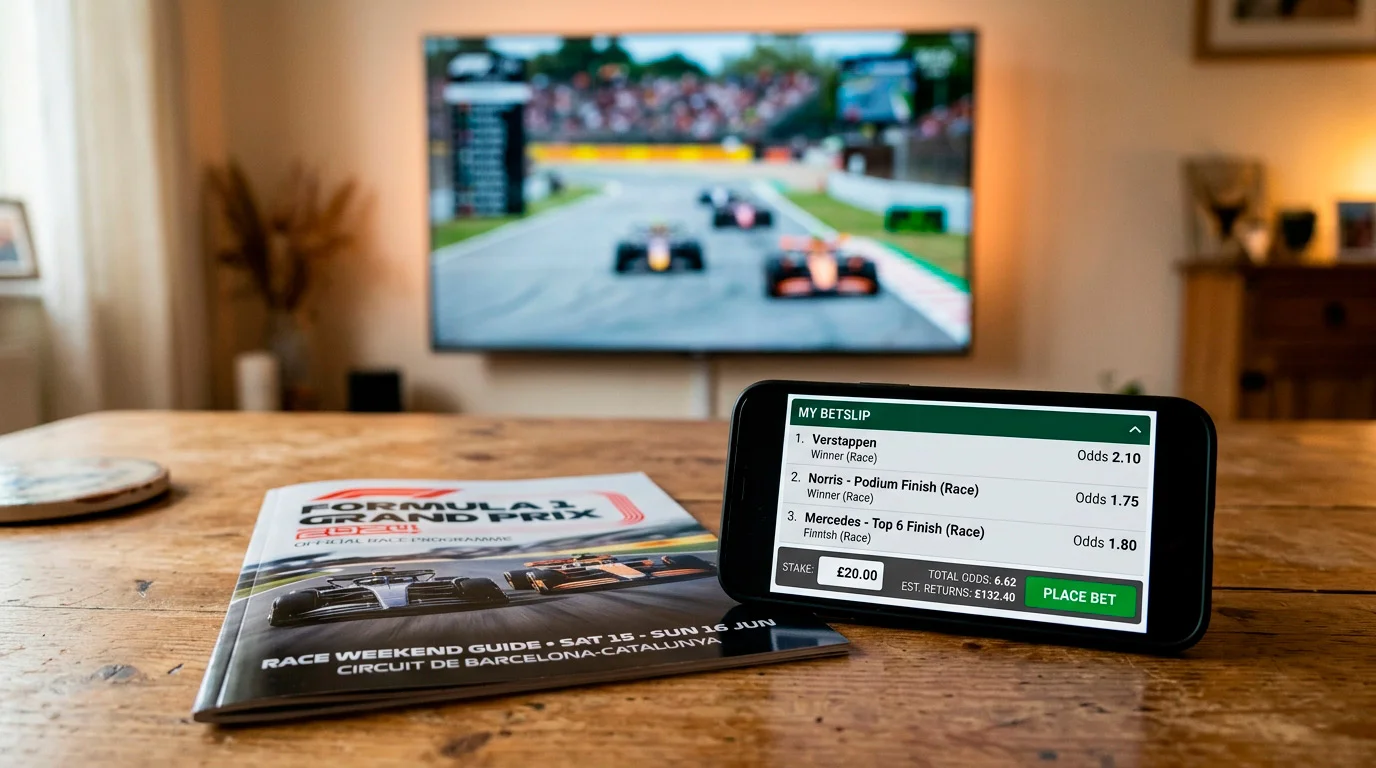
Each-way betting is the most British thing in sports wagering. It does not exist in most other markets, and even experienced punters from other countries find the concept baffling until they see it in action. The core idea is simple: you place two bets in one — a win bet and a place bet. If your driver wins, both bets pay. If your driver finishes in a place position but does not win, only the place portion pays. Betting participation in the UK reached 12 per cent of adults in the latest wave of UKGC data, a significant jump of three percentage points, and each-way remains one of the most popular bet types across all sports for UK punters.
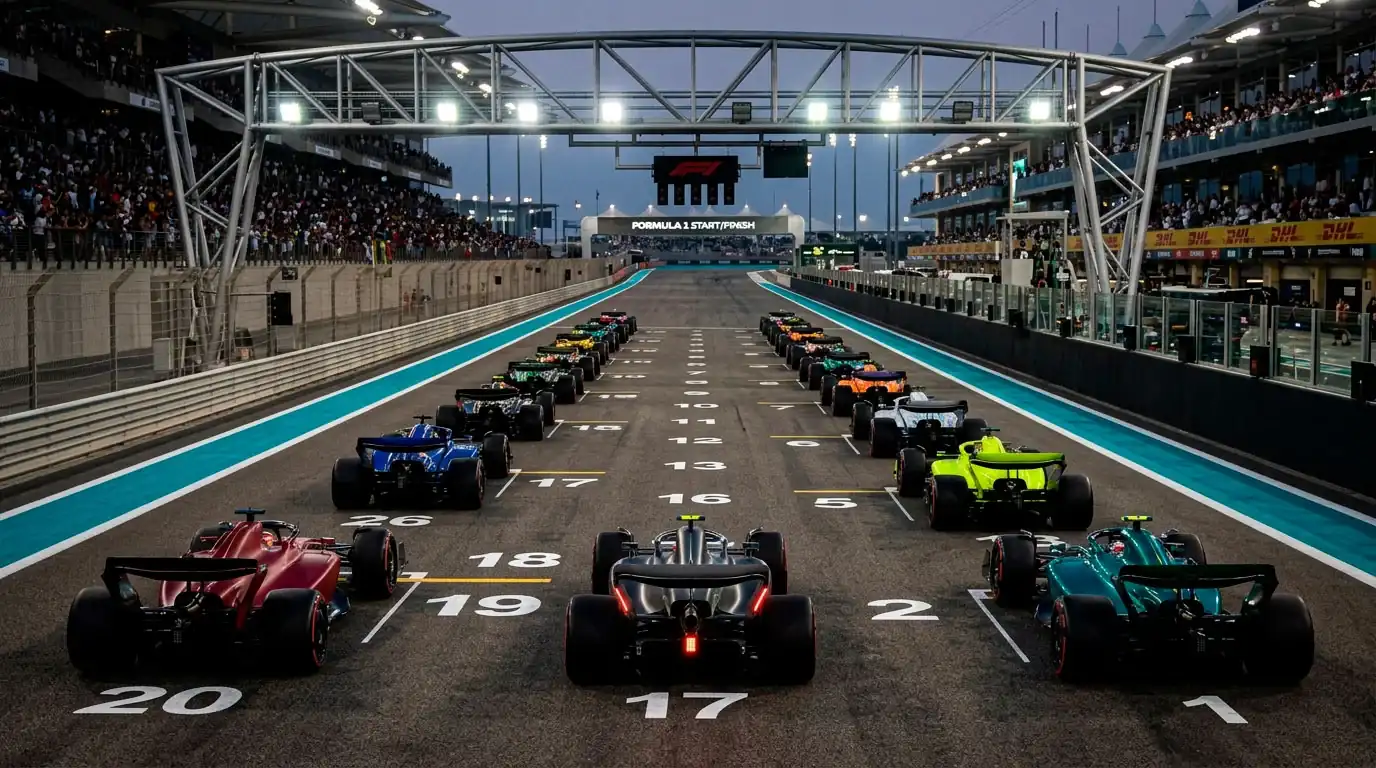
The reason I am writing about each-way in the context of F1 specifically is that the 20-driver grid creates a unique dynamic. Unlike a horse race with eight runners where a top-three finish represents 37.5 per cent of the field, a top-three finish in F1 represents just 15 per cent. That wider field makes the place portion harder to land, which changes the mathematics of when each-way is a smart play and when it is a trap.
See also: explore betting f1 for more F1 wagering strategies.
How Each-Way Terms Apply to a 20-Driver Grid
I remember a punter telling me he always bet each-way on F1 because “you get paid if they finish on the podium.” That is true, but the devil is in the terms. Each-way is not a bonus — it is a separate bet at a fraction of the win odds, and the fraction varies by bookmaker and by market.
Standard each-way terms for F1 at most UK sportsbooks are 1/4 odds for the first three places. That means if you back a driver at 10/1 each-way for a total stake of two pounds (one pound on the win, one pound on the place), a win returns eleven pounds on the win portion plus 3.50 pounds on the place portion (10/1 divided by 4 = 5/2, so 2.50 plus the one-pound stake). A podium finish without a win returns only the place portion: 3.50 pounds. A finish outside the top three loses both bets.
Some bookmakers offer enhanced each-way terms during promotional periods — 1/3 odds instead of 1/4, or paying four or five places instead of three. These promotions change the mathematics significantly and can turn a marginal each-way bet into a positive-expectation play. Always check the terms before placing an each-way bet, and compare across bookmakers during race week when promotions are most common.
The 20-driver field means the each-way place market is tighter than in sports with smaller fields. In a six-runner horse race with three places, 50 per cent of the field qualifies for a place payout. In an F1 race with 20 drivers and three places, only 15 per cent qualify. That compression means you need longer odds on the win portion to make the each-way bet mathematically justified, because the place probability is lower than intuition suggests.
Calculating Each-Way Returns: Step-by-Step
The UK gambling industry generated GGY of 11.5 billion pounds in the year to March 2024, and a non-trivial share of that comes from bettors who do not fully understand the returns on their each-way bets. Here is how to calculate them precisely.
Start with the win odds. Suppose your driver is priced at 14/1. Your each-way stake is ten pounds total — five pounds on the win, five pounds on the place. If the driver wins: the win portion pays 14 times 5 = 70, plus the 5 stake returned = 75. The place portion pays (14/4) times 5 = 17.50, plus the 5 stake returned = 22.50. Total return: 97.50 from a 10-pound outlay. If the driver finishes second or third: the win portion loses the 5-pound stake. The place portion pays 22.50. Total return: 22.50 from a 10-pound outlay, a net profit of 12.50.
The critical breakeven calculation is what minimum finishing probability you need for the each-way bet to be positive expectation. For 1/4 odds and three places, the breakeven win probability is straightforward — but the breakeven place probability (finishing top three) is where the real analysis sits. If you estimate a driver has a 5 per cent chance of winning and a 25 per cent chance of a podium, the each-way bet at 14/1 is clearly positive expectation. If the podium probability is closer to 12 per cent, the numbers do not work even though the win odds look attractive.
Scenarios Where Each-Way Outperforms a Win-Only Bet
Each-way is not always the right choice. At short odds — anything below about 5/1 for F1 — the place return is too small to justify doubling the stake. If a driver is priced at 3/1, the each-way place return at 1/4 odds is just 3/4 (0.75 to 1), which barely covers the stake. You are better off with a straight win bet or a dedicated podium finish market if one is available.
See also: combine selections with our F1 bet builder guide.
The sweet spot for each-way in F1 is the 8/1 to 20/1 range. These are typically the third to sixth favourites — drivers with a genuine chance of a podium but who are not expected to win. At these odds, the place portion provides meaningful insurance against the most common outcome (a strong finish that falls short of victory), and the combined each-way stake still offers a healthy return if the driver does win.
Wet-weather races are prime each-way territory. Rain increases the variance of outcomes, which means midfield drivers occasionally finish on the podium when the frontrunners make mistakes or suffer poor tyre strategy. A driver priced at 16/1 in dry conditions might have a genuine 15-20 per cent podium probability in the wet, making the each-way bet excellent value even if the win probability remains low.
Circuit characteristics matter too. At tracks where overtaking is difficult and qualifying determines the race result — Monaco being the obvious example — each-way bets on a driver who qualifies well but starts behind the top two or three can be sharp. The podium probability is elevated by the track’s defensive nature, and the odds mechanics do not always fully account for the circuit-specific podium rate.
One scenario where each-way is a clear mistake: backing a heavy favourite. If a driver is priced at even money to win, the each-way bet halves your potential profit for negligible insurance. The place portion at 1/4 of even money is just 1/4 — you are paying double the stake for the privilege of getting 25 pence back on a one-pound place bet. Stick with win-only when the favourite’s odds are short.
What is each-way betting in Formula 1?
Each-way is a UK-standard bet type that combines a win bet and a place bet into a single wager at double the unit stake. If your driver wins the race, both the win and place portions pay out. If they finish in a place position — typically the top three in F1 — only the place portion pays, at a fraction of the win odds (usually 1/4). If they finish outside the places, both bets lose. It is most effective at odds between 8/1 and 20/1, where the place return provides meaningful insurance.
How many places do bookmakers typically pay on F1 each-way bets?
Most UK bookmakers pay three places on standard F1 each-way bets — first, second, and third — at 1/4 of the win odds. Some sportsbooks occasionally offer enhanced terms during race-week promotions, such as paying four or five places or offering 1/3 odds instead of 1/4. Always check the specific terms before placing an each-way bet, as the number of places and the fraction directly affect the mathematical value of the wager.
Written by the editors at Betting f1.