F1 2026 Rule Changes and Betting: How New Regulations Disrupt the Market
 Available in US
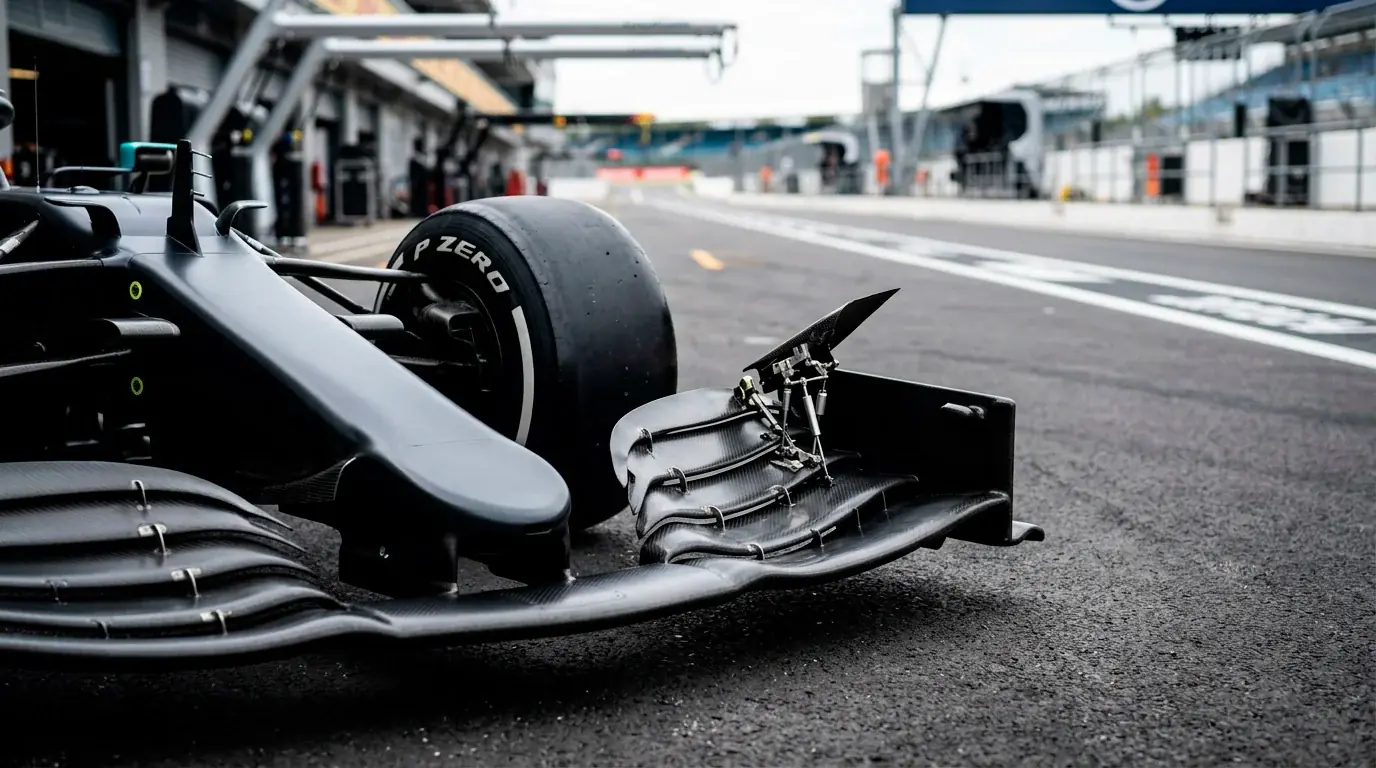
A Technical Reset That Redraws the Betting Map
I have been pricing F1 markets for eight years, and not once have I seen a regulatory shift this total. The 2026 technical regulations do not tweak the current formula — they scrap it. New power units, active aerodynamics, a manual overtake button, lighter cars, and two genuinely new constructor entries all land at the same time. For anyone who treats F1 betting as a serious pursuit, this is not background noise. It is the single biggest re-pricing event since the turbo-hybrid era began in 2014.
FanDuel’s arrival as the first official betting operator of Formula 1 in April 2026 was not coincidental timing. The sport’s commercial arm knows the product is about to change, and it wants sportsbooks ready to capitalise. When F1 still accounts for just 0.4 per cent of the global betting handle — a figure Jonny Haworth, F1’s Director of Commercial Partnerships, called “pretty crazy for a sport the size of Formula One” — regulation changes that increase unpredictability are exactly the catalyst the betting side needs.
What follows is a breakdown of the three pillars of disruption — the power unit, active aero, and new entrants — and why each one creates specific, tradeable edges for punters willing to do the homework before the season starts.
See also: return to betting f1 for comprehensive 2026 season guides.
The 50/50 Power Unit and What It Means for Constructor Odds
The last time I watched a team leap from the back of the grid to the sharp end inside a single regulation cycle, it was Brawn GP in 2009. That was a loophole exploit. This time, the mechanism is structural: the 2026 power unit splits output roughly 50/50 between the internal combustion engine and the electric motor-generator unit. That is a radical departure from the current 60/40 split favouring the ICE, and it changes which manufacturers hold the advantage.
Electrical energy recovery, battery packaging, and software calibration become as important as combustion efficiency. Teams that invested heavily in hybrid architecture — Mercedes and Ferrari spring to mind — may carry forward some advantage, but the new energy-recovery regulations are different enough to reset the pecking order. Conversely, a manufacturer entering with a clean-sheet design is not burdened by legacy compromises. That is exactly why the constructor championship futures market in early 2026 carries wider spreads than anything I have seen in recent pre-seasons.
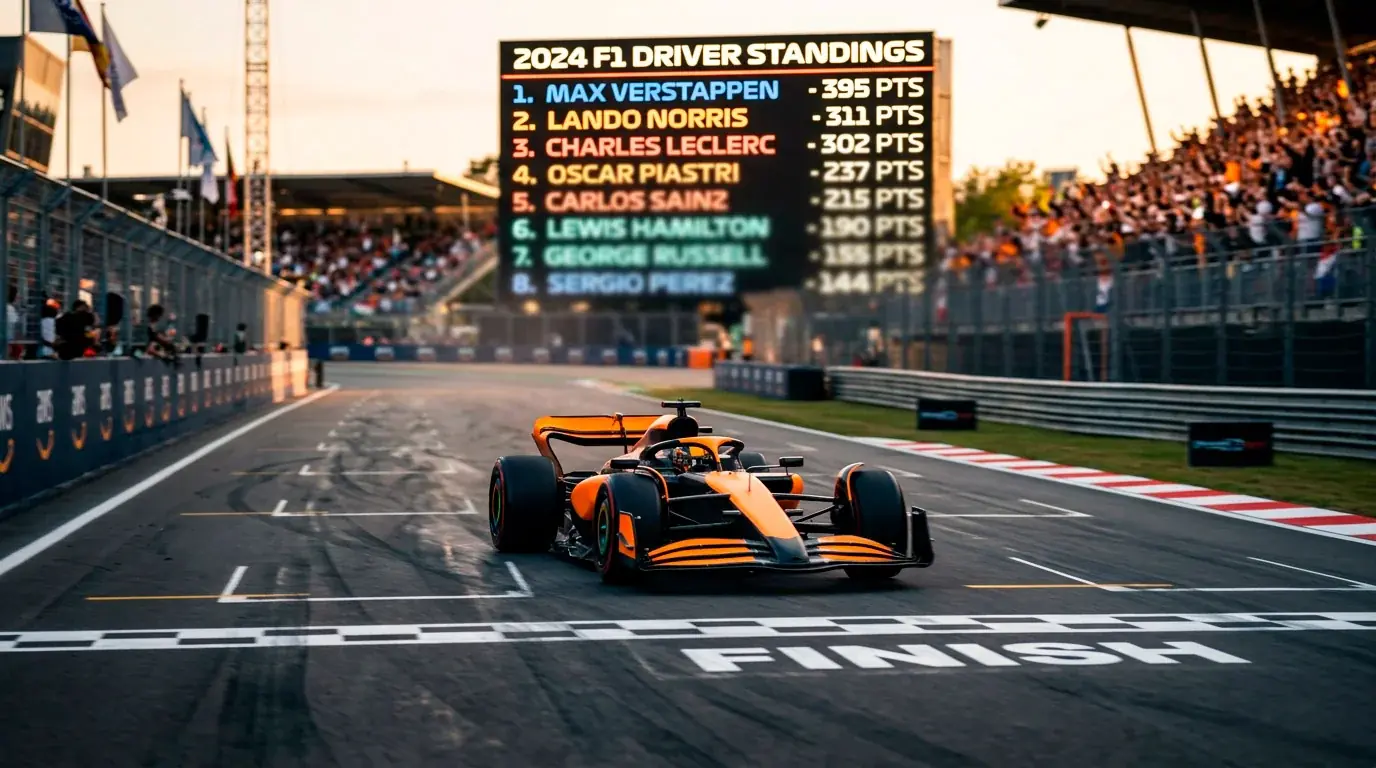
Max Verstappen himself flagged the driving challenge: he wants to drive flat out but acknowledges that energy management under these rules demands a very different approach from the driver’s seat. When the reigning champion says the car philosophy has fundamentally changed, the market should listen. Verstappen’s driver championship odds may still sit at the top, but the implied probability gap between him and the second-favourite is narrower than it was at the same stage in 2024 or 2025.
For bettors, the practical takeaway is straightforward. Pre-season testing data becomes disproportionately valuable in a regulation-reset year. Lap times matter less than reliability signals, energy-deployment patterns, and long-run consistency. If you can identify which power unit handles degradation best over a race stint during testing, you are ahead of the opening-day odds.
Constructor futures placed before the first race of a reset year historically offer the widest value windows. The bookmakers know less than usual, the public knows less than usual, and the margin for a sharp punter to find mispriced teams is at its peak. By round four or five, the data normalises and the odds tighten. The window is small, so the preparation has to start now.
Active Aero and Overtake Mode: New Variables for In-Play Markets
Picture lap 34 of a dry race at Monza. The driver behind has been managing a 1.2-second gap for six laps, waiting for the DRS zone. Under current rules, that gap either closes or it does not, and the in-play odds adjust incrementally. Under the 2026 regulations, that driver can activate a manual Overtake Mode — a button that temporarily boosts electrical deployment beyond the normal limit, giving a burst of extra power for a fixed number of seconds. The car ahead responds by switching its active aerodynamic surfaces to a low-drag configuration. Two drivers, two tactical choices, happening in real time.
Active aero in 2026 is not cosmetic. The front and rear wing elements physically change angle during a lap, governed by two modes the FIA has labelled X-mode and Z-mode. X-mode is the low-downforce, low-drag setting for straights. Z-mode is the high-downforce setting for corners. The driver can manually override the automatic transitions in certain zones, and the Overtake Mode adds a third layer of decision-making on top.
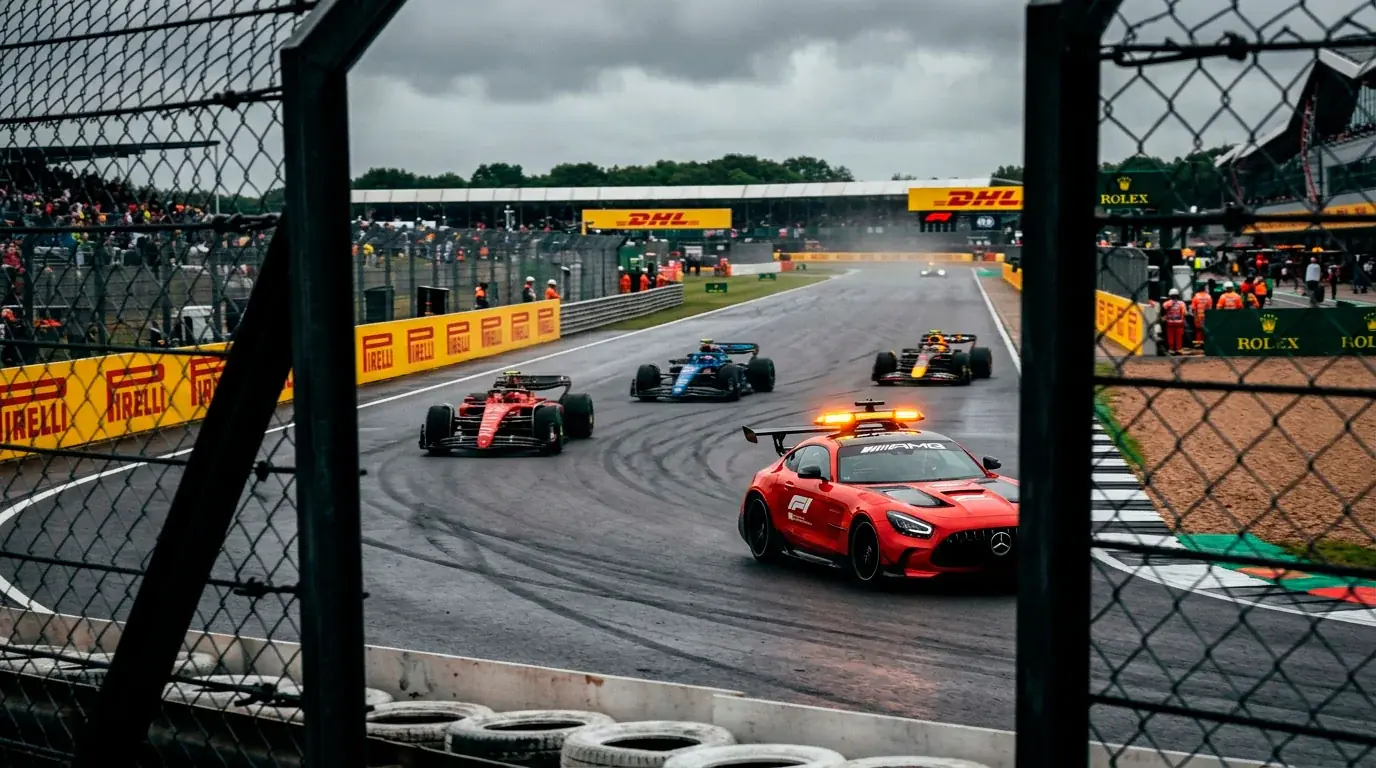
For in-play markets, this is transformative. The number of variables that can swing a position change inside a single lap goes up sharply. A safety car restart, for instance, now involves not just tyre temperature and track position but active-aero mode selection and remaining Overtake Mode allowance. The correlation between viewership spikes and betting volume — measured at r=0.85 over the 2020-to-2025 period — will almost certainly strengthen when every on-screen overtake attempt carries this extra tactical dimension.
Sportsbooks will need to price these micro-events, and early-season pricing will be rough. The algorithms that feed live F1 betting odds rely on historical patterns, and there are no historical patterns for Overtake Mode deployment rates, active-aero failure incidents, or the interaction between the two. Expect wider in-play spreads in the opening rounds and tighter ones as the season progresses and the models learn. For punters, the early rounds are where in-play edges will be fattest.
Cadillac, Audi and the Odds Disruption of New Entrants
Two new names on the 2026 grid change the mathematics of every multi-driver market. Cadillac enters as the 11th team — the first genuine expansion of the grid since Haas in 2016. Audi completes its takeover of the Sauber operation, bringing factory-level investment to a team that has been a perennial backmarker. Neither is a simple rebadge. Both carry manufacturer ambitions, engineering budgets, and the kind of institutional pressure that makes long-term mediocrity unlikely.
The global F1 fanbase reached 827 million in 2025, a 63 per cent increase since 2018, and new teams bring new national audiences, new sponsor money, and new narratives that drive betting interest. Cadillac, backed by General Motors, targets the American market where ESPN’s average F1 viewership hit 1.32 million in 2025 — up 142 per cent from 2018. Audi targets the European premium-automotive audience. Both expansions feed directly into the betting ecosystem.
From a pure odds perspective, new F1 team entries create asymmetric value. The bookmakers price new entrants conservatively — long odds for any individual race, astronomical odds for a championship. Historically, those conservative odds are correct more often than not. But in a regulation-reset year, the gap between a new team with a clean-sheet design and an established team carrying legacy compromises narrows. Brawn GP won the championship in its debut season under new regulations. That is the outlier, not the template, but it proves the distribution has a fat tail.
The smarter play is not backing Cadillac or Audi for the title outright. It is watching pre-season testing for signs that either team’s power unit and aero package are competitive relative to the established midfield, then targeting race-specific markets — podium finishes, top-six, head-to-head matchups against similarly priced teams — where the odds have not yet adjusted to actual performance data. That approach requires patience and discipline, but regulation-reset years reward both.
See also: see how the new format affects Saturday races in our F1 sprint race betting article.
Questions About 2026 Rule Changes and Betting
Will the 2026 power unit rules make midfield teams more competitive for betting?
A regulation reset compresses the field because every team starts from a new baseline. The 50/50 ICE-to-electric split rewards electrical architecture innovation, which is less dependent on decades of combustion R&D. Midfield teams with strong battery and software engineering — or those partnered with a new manufacturer willing to invest heavily — stand a realistic chance of closing the gap in the opening rounds, making midfield futures and race-specific markets wider value propositions than in a stable-regulation year.
How does Overtake Mode create new in-play betting opportunities?
Overtake Mode gives the trailing driver a manual boost of electrical power for a limited number of seconds per lap. This adds a tactical variable that did not exist before: when to deploy it, how the car ahead responds with its own active-aero settings, and whether the overtake succeeds. For in-play markets, each Overtake Mode activation is a potential position change, and early-season pricing will be rough because sportsbook algorithms have no historical data on deployment rates or success probabilities. That roughness is where edges live.
Are Cadillac and Audi already priced into championship futures odds?
Both teams carry long odds in pre-season championship futures, reflecting the historical reality that new entrants rarely challenge for titles immediately. However, the 2026 regulation reset narrows the gap between clean-sheet designs and legacy packages. The market prices the base case — slow start, gradual improvement — but underweights the possibility that one of these teams nails the new power unit formula early. Watch pre-season testing closely; if either team shows genuine midfield pace, their race-specific odds will lag behind the reality for several rounds.
Written by the editors at Betting f1.