How F1 Grid Penalties Create Betting Opportunities
 Available in US
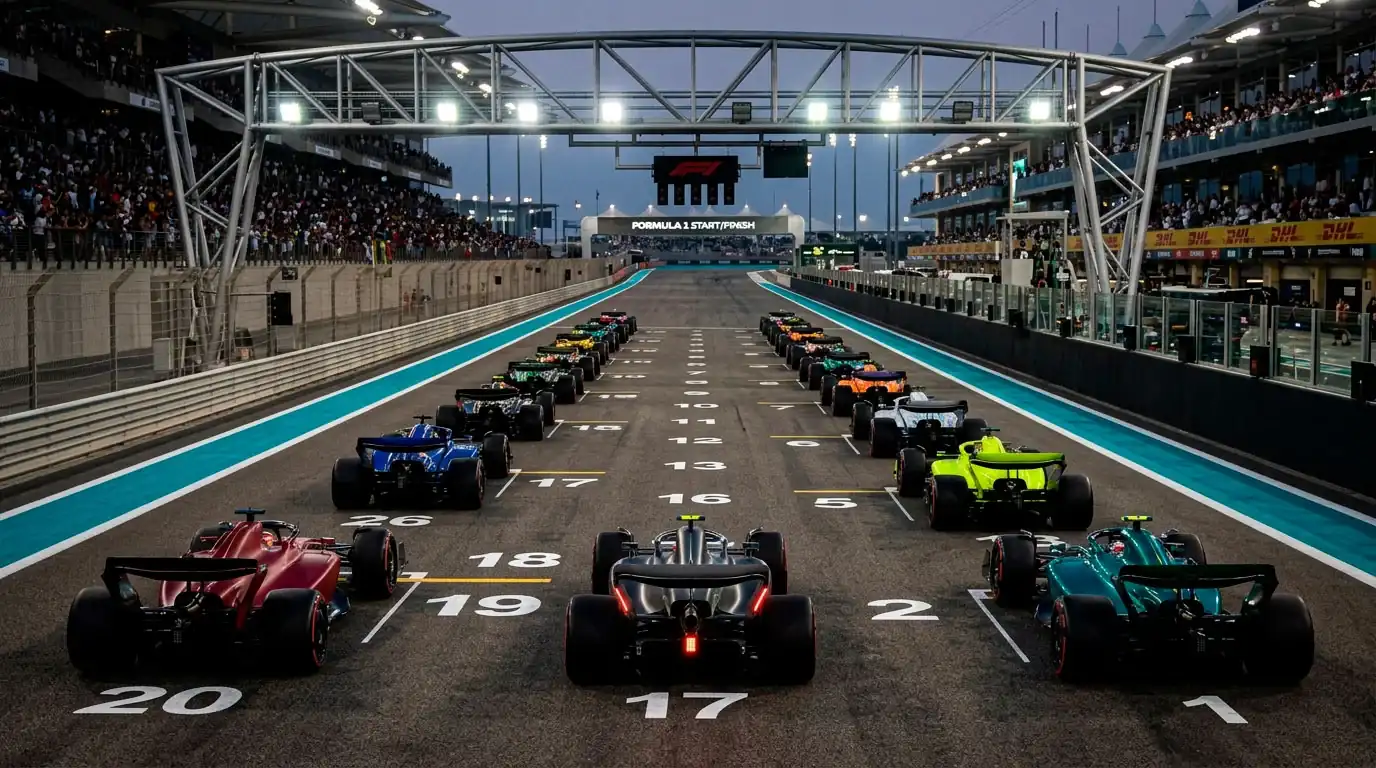
Grid Penalties Are Not Bad News — They Are Information
When Charles Leclerc took a ten-place grid penalty at Spa in 2022 and still won the race, it was treated as a shock. It was not. The car was dominant that weekend, the Spa circuit rewards straight-line speed, and the midfield runners he had to clear lacked the pace to resist. Anyone who understood the interaction between grid penalties and circuit characteristics saw the opportunity before the lights went out.
Grid penalties in F1 come from several sources: power unit component changes that exceed the seasonal allocation, gearbox replacements, driving infractions during practice or qualifying, and technical infringements. The most common are engine-related, and teams plan them strategically — taking penalties at circuits where overtaking is easier and the cost of starting out of position is lowest. That planning is transparent if you know where to look, and it is exactly the kind of structured information that betting markets sometimes misprice.
The average Grand Prix draws 76.1 million viewers globally, and a grid penalty for a frontrunner generates headlines that skew public perception. Casual bettors see “penalty” and assume the driver’s race is compromised. Sharper operators see a fast car starting out of position at a track that rewards overtaking and recognise the odds may overreact to the headline.
See also: visit betting f1 for all F1 pre-race analysis.
Which Penalties Actually Matter — and Which Are Noise
Five-place penalties and ten-place penalties are not the same thing, and treating them interchangeably is a mistake I see constantly. A five-place drop from a qualifying position of third puts a driver eighth on the grid — still within the top ten, still surrounded by cars with significantly less pace, and still with a realistic path to the podium. A ten-place drop from the same qualifying position pushes them to thirteenth, behind slower cars but also behind midfield runners who will defend aggressively because they are racing for points.
Back-of-grid penalties are a different animal entirely. When a team takes a complete power unit change and accepts a start from the pit lane or the very back of the grid, the maths shifts. The driver needs to gain fifteen or more positions to reach the points, which means the first stint is essentially a time trial through traffic. The value here is not in the race-winner market — it is in the position-based markets. Will they finish in the top six? In the top ten? These prop markets react to grid penalties, but they often overcorrect because the models do not fully account for pace differential.
I categorise every penalty weekend into three buckets: minor disruption (five places or fewer at a good overtaking circuit), moderate disruption (ten places or a back-of-grid at a moderate circuit), and severe disruption (any penalty at a street circuit or a track where overtaking is genuinely difficult). My betting approach differs for each. Minor disruptions are where the best value sits — the market overreacts to a penalty that barely dents the driver’s realistic finishing position.
Circuit DNA and the Overtaking Factor
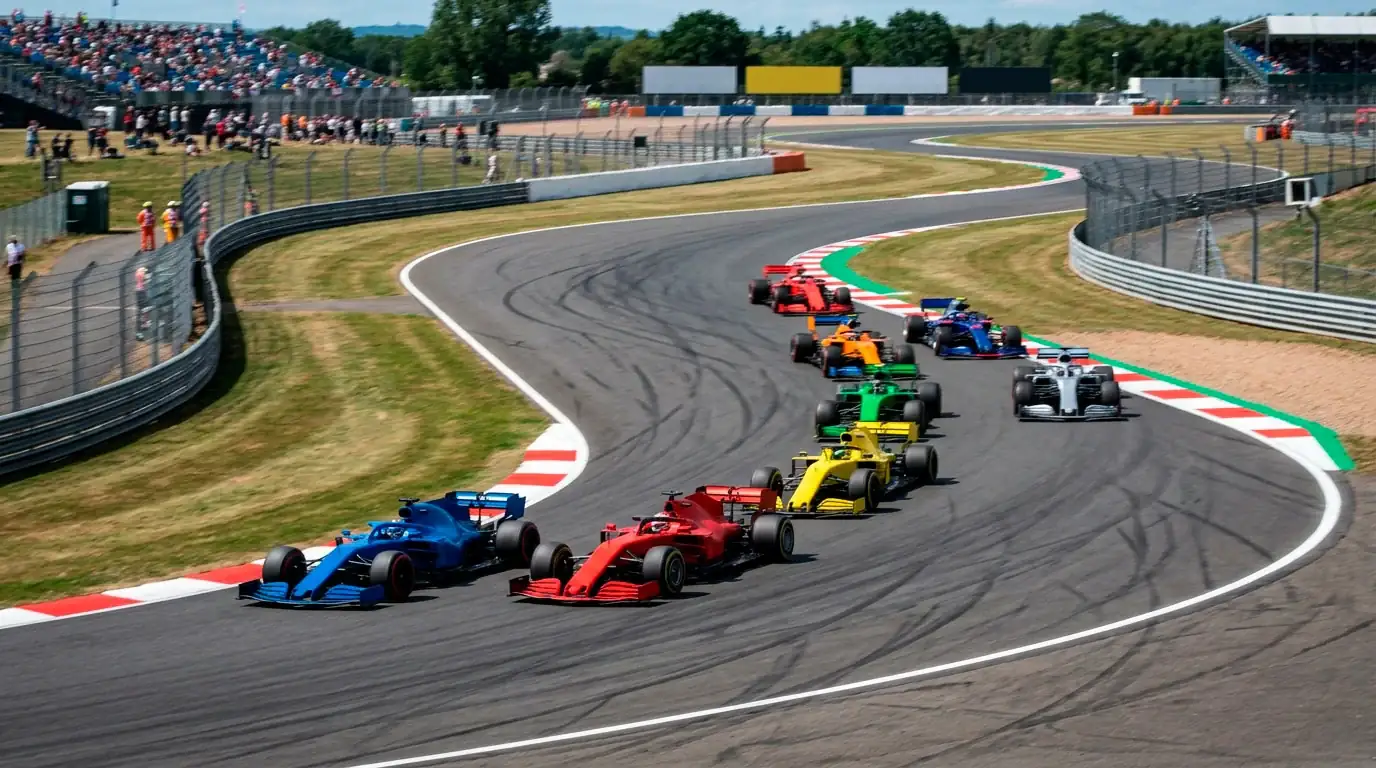
Spa-Francorchamps, Monza, and the Circuit of the Americas sit at one end of the overtaking spectrum. These tracks have long straights, multiple DRS zones, and heavy braking points that invite late moves. A grid penalty at these circuits is almost a non-event for a frontrunning car — the pace advantage over the midfield is so large that positions are recovered within the first ten laps.
Monaco, Hungary, and Singapore sit at the other end. Narrow tracks, limited overtaking opportunities, and a premium on qualifying position mean that even a five-place penalty can cost a frontrunner a realistic shot at the podium. The 2026 aerodynamic regulations, designed to improve following in dirty air, may narrow this gap over time, but the fundamental circuit characteristics still dictate how much a grid penalty costs in real positions lost.
I maintain a simple circuit rating for penalty severity, scored from one to five. A one means the circuit barely punishes grid drops — Monza, Spa, Lusail. A five means starting out of position is devastating — Monaco, Zandvoort, the Hungaroring. Before placing any penalty-related bet, I check my rating and adjust expectations accordingly. This takes the emotion out of it. A ten-place penalty at a circuit rated two is a buying opportunity. The same penalty at a circuit rated five is a reason to stay away.
Timing: When the Market Moves and When You Should
Grid penalties are usually announced on Thursday or Friday of a race weekend, though engine-component penalties sometimes become known earlier through team communications and paddock reporting. The key window for betting is between the official announcement and the close of qualifying, because this is when the market adjusts — and the adjustment is not instant.
Immediately after a penalty announcement, odds shift in a reactionary wave. The penalised driver’s race-winner odds lengthen, their podium odds lengthen, and their head-to-head matchup odds may swing. But the initial move is often too large because it reflects the headline rather than the analysis. Within a few hours, sharper money enters the market and pulls the odds back toward fair value. The window between the overreaction and the correction is where I place my bets.
Pre-qualifying is crucial because the qualifying result determines the actual grid position after the penalty is applied. A driver who qualifies on pole and takes a five-place penalty starts sixth — very different from a driver who qualifies fifth and starts tenth. I wait for qualifying to finish before finalising race-day positions, but I sometimes pre-load at the post-announcement odds if the overreaction is severe enough that even a moderate qualifying result still leaves value on the table. For a deeper understanding of how qualifying pace translates into qualifying betting edges, that context strengthens your grid-penalty analysis considerably.
Constructing Penalty-Based Wagers That Hold Up
The simplest penalty bet is a top-six or top-ten finish for a frontrunner who has dropped down the grid. These bets carry lower odds than a race-winner punt, but they hit far more frequently because they require recovery rather than dominance. Over a 24-race season, a driver taking three or four engine penalties will give you that many opportunities, and a 60-70% strike rate on recovery bets compounds into meaningful profit.
See also: understand how DNFs affect odds in our F1 retirement betting article.
Head-to-head matchups involving a penalised driver are another productive angle. If both drivers in a head-to-head are from different teams and one takes a penalty, the market shifts — but it may not shift enough if the penalised driver has a faster car. I look for matchups where the pace differential between the two drivers’ machinery is larger than the positional cost of the penalty.
With only 22% of F1 bettors wagering specifically on motorsport — most are crossover bettors from football or horse racing — the F1 penalty market attracts less specialist attention than equivalent situations in other sports. That relative lack of specialist scrutiny is a structural edge for anyone willing to do the preparation.
Do grid penalties affect betting odds immediately?
Odds typically shift within minutes of an official penalty announcement, but the initial adjustment often overshoots. The sharpest value tends to appear in the first few hours after the news breaks, before more informed money corrects the overreaction.
Is it better to bet on penalised drivers for race winner or top finishes?
Top-finish markets — such as top six or top ten — generally offer better risk-adjusted returns for penalised frontrunners. These bets require recovery rather than outright victory, which is a much more achievable outcome from a compromised grid position.
Created by the ”Betting f1” editorial team.