Understanding F1 Tyre Strategy for Smarter Race Bets
 Available in US
Tyres Are the Invisible Hand Behind Every Race Result
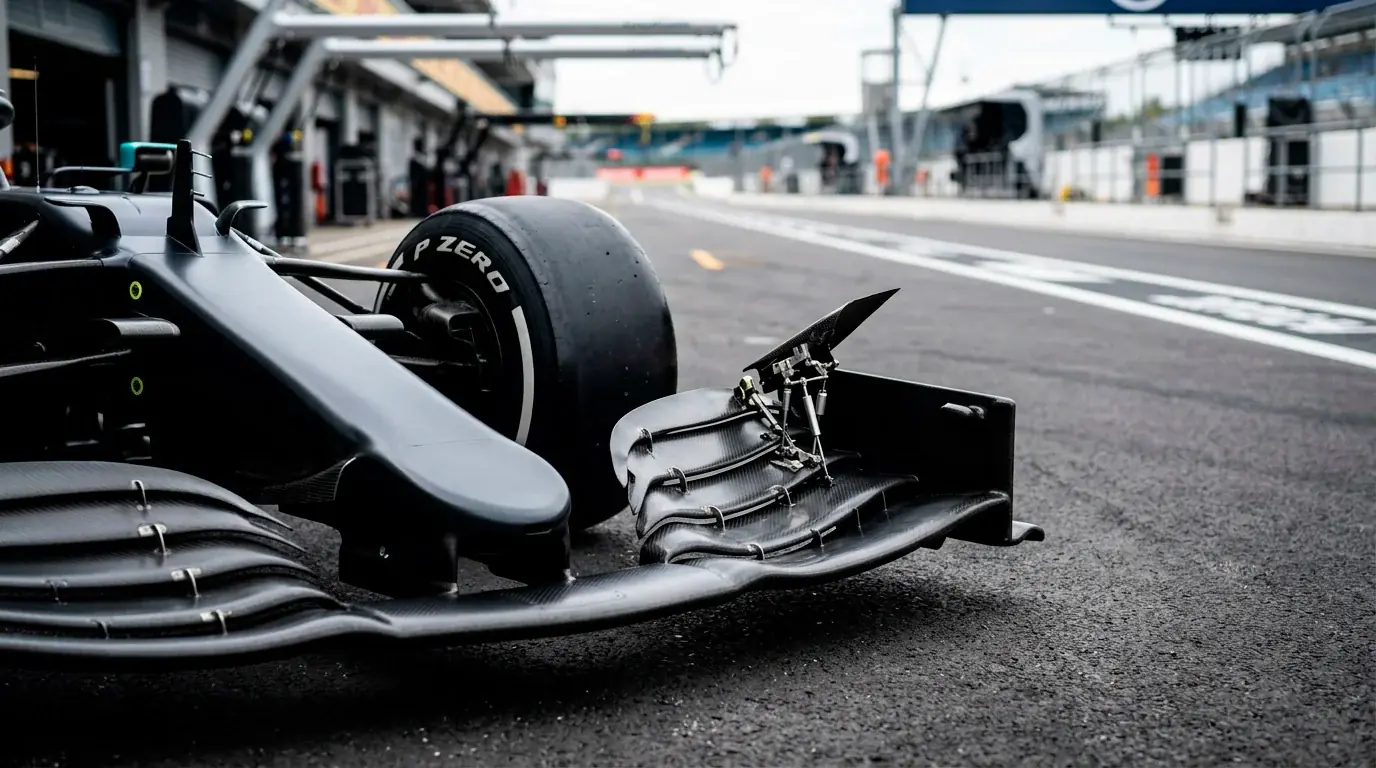
There is a moment in every F1 race where the television coverage cuts to an onboard camera showing a driver’s rear tyres, and you can see the rubber grain forming on the surface. That visual tells you more about the next twenty laps than any amount of commentary. Tyre degradation is the dominant strategic variable in modern F1, and understanding it transforms race betting from guesswork into analysis. The sport reaches 76.1 million viewers per race on average, and the ones who grasp the tyre story are watching a different race from everyone else.
I started tracking tyre performance data from practice sessions about five years ago, and it changed my approach to race-day betting entirely. Before that, I was pricing races based on qualifying pace and historical form. After, I was pricing them based on degradation rates, stint lengths, and the gap between one-lap pace and race pace. The second approach is harder, but it is also where the market is thinnest — most bettors do not dig into tyre data, which means the edge persists.
See also: head to betting f1 for top F1 wagering resources.
Compound Selection and What It Signals to Bettors
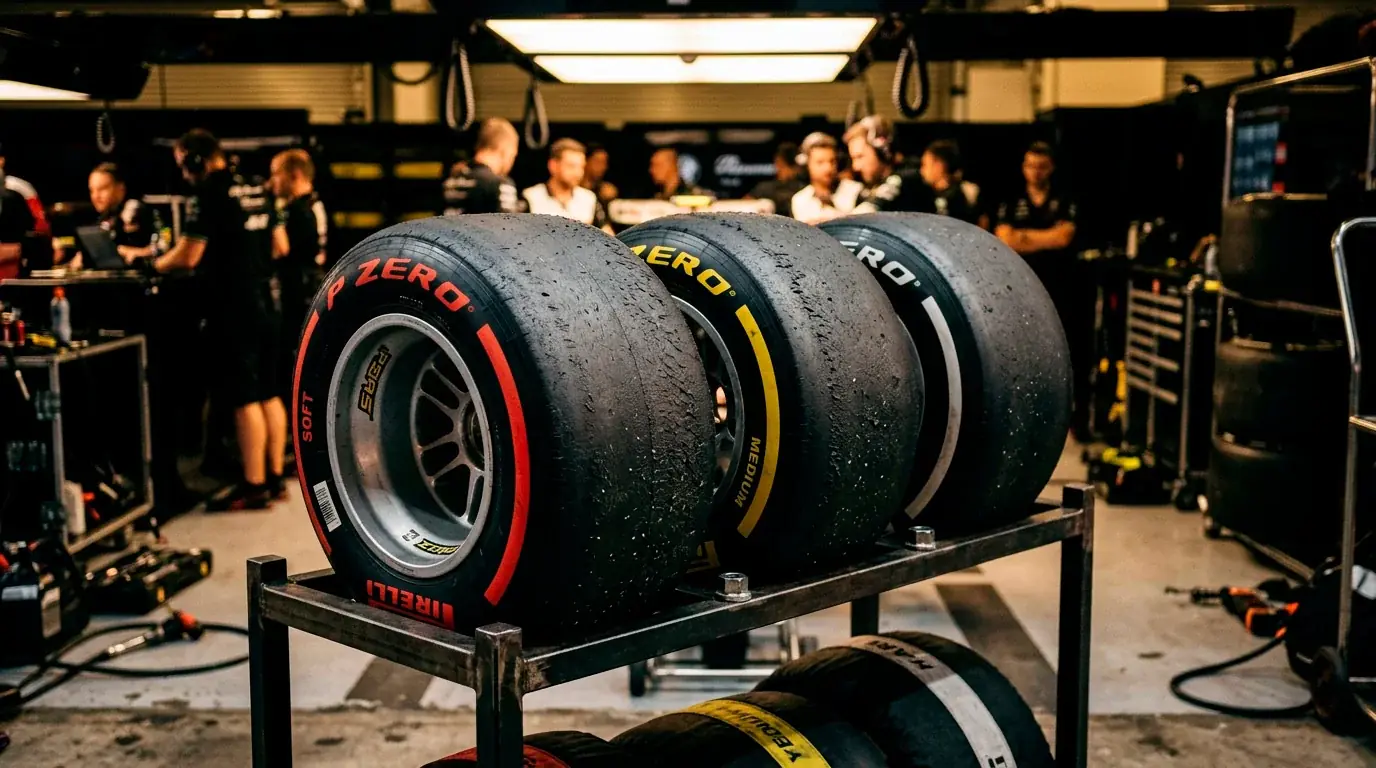
Pirelli brings three dry-weather compounds to each race — labelled soft, medium, and hard, though the actual rubber composition changes from circuit to circuit. The compound nominations are published weeks before the event, and they tell you something about the expected race characteristics. When Pirelli selects the three softest compounds in their range, the expectation is high degradation and multiple pit stops. When they select harder compounds, the expectation is lower degradation and the possibility of a one-stop race.
For the betting market, compound selection affects the probability distribution of race outcomes. Softer compounds and higher degradation mean more strategic variation — teams split between one-stop and two-stop strategies, the undercut and overcut become viable, and the race is decided more by strategy than raw pace. Harder compounds and lower degradation narrow the strategic window, making the race more predictable from qualifying position. When the strategy window is wide, the race winner favourite’s implied probability should be lower than at a narrow-strategy circuit. If it is not, the favourite is overpriced.
The 2026 technical regulations increase the proportion of electrical energy in the power unit to 50 per cent, which changes the relationship between tyre management and energy deployment. Drivers who manage their tyres well also tend to manage energy recovery better, because smooth driving inputs reduce both tyre stress and energy wastage. That correlation means the gap between good and poor tyre managers may widen in 2026, amplifying the importance of degradation data in the betting analysis.
Reading Practice Long Runs for Race-Day Predictions
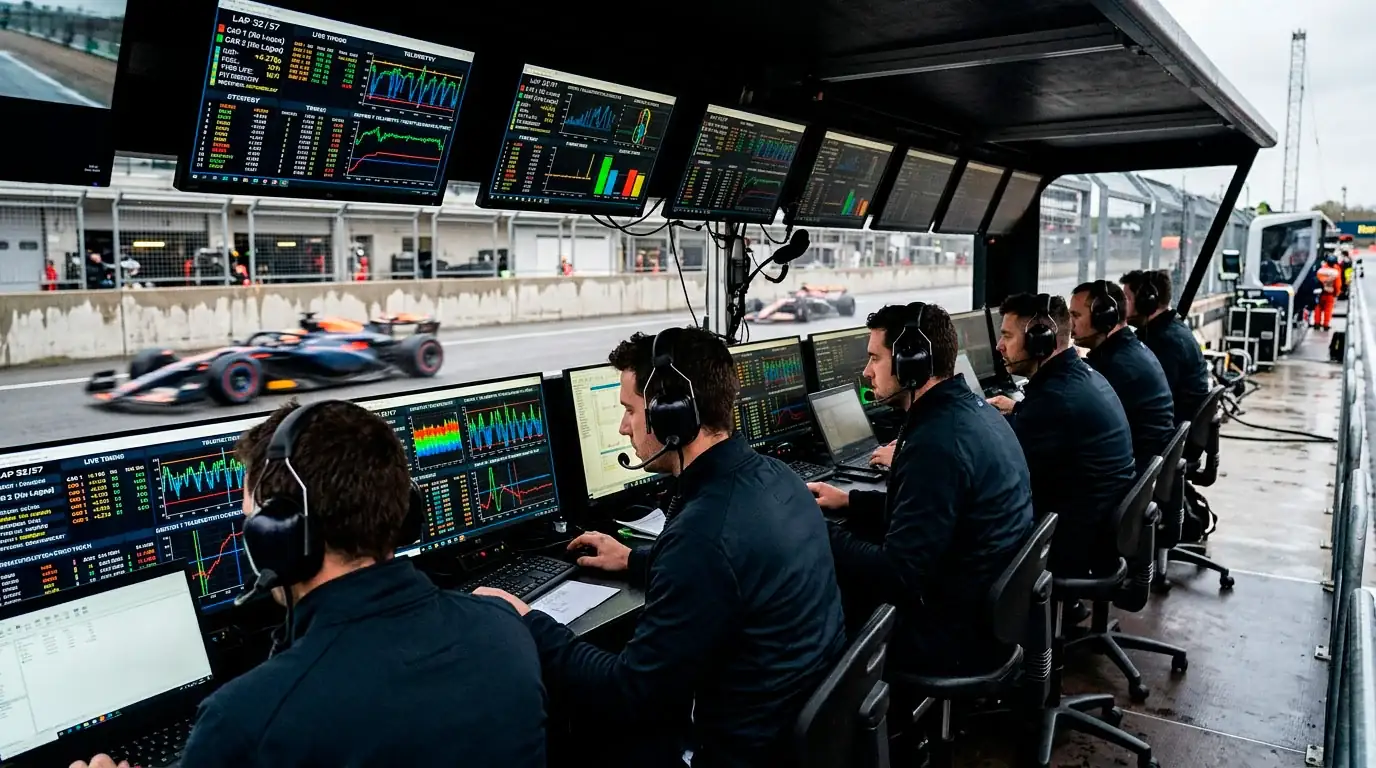
Friday practice is not a spectacle. It is a data mine. During FP2, most teams run race simulations — stints of 10 to 15 laps on high fuel loads with used tyres. These long runs generate lap-time sequences that reveal each car’s degradation rate, which is the rate at which lap times get slower as the tyres wear. A car that loses one-tenth per lap over a stint will be roughly one second slower at the end of a 10-lap stint than at the beginning. A car that loses three-tenths per lap loses three seconds over the same distance.
That degradation differential is invisible in qualifying but decisive in the race. A car that is two-tenths faster in qualifying but degrades three times faster will be overtaken on track or strategically through pit stops. I have won bets consistently by backing the car with the lower degradation rate against the faster qualifier, particularly in head-to-head markets where the race result, not the qualifying result, determines the settlement.
The data is publicly available. F1’s official timing app and several third-party data feeds publish lap-by-lap times during practice sessions. Extracting the long-run data requires filtering out outliers — in-laps, out-laps, traffic laps, and cool-down laps — but the underlying pattern is usually clear after removing those. The fuel-corrected degradation rate (adjusting for the fact that lap times naturally improve as fuel burns off) is the cleanest metric. If you do not want to do the maths yourself, several fan-run data analysis sites publish fuel-corrected long-run comparisons within hours of FP2 ending.
One-Stop vs Two-Stop: How Pit Strategy Changes the Odds
Only 22 per cent of F1 bettors wager on motorsport specifically — a number that reflects how many potential bettors are deterred by the perceived complexity of race strategy. The one-stop versus two-stop decision is the heart of that complexity, but it is more accessible than it appears.
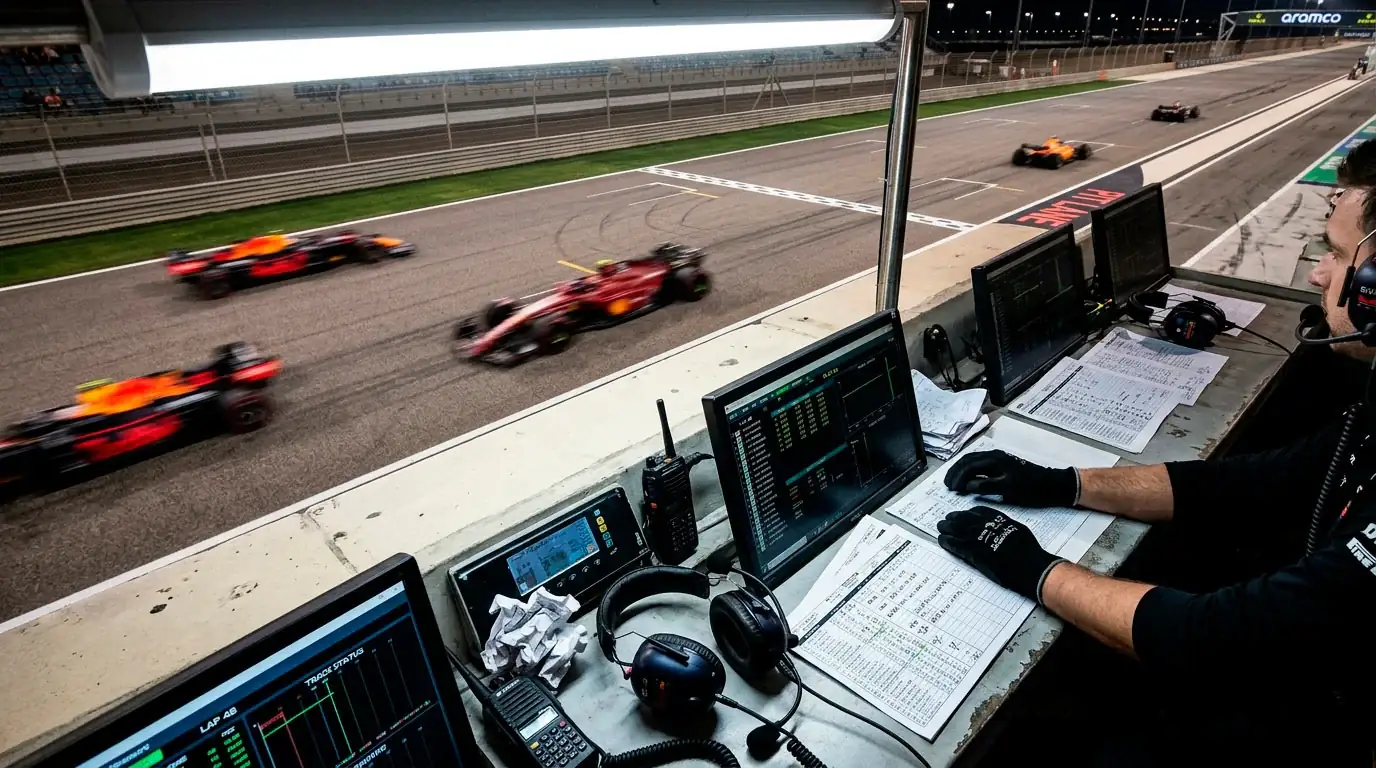
A one-stop race favours the driver who qualifies at the front because there is only one pit-stop window where positions can change. The leading driver pits, emerges behind slower traffic for a few laps, and then the traffic pits, restoring the original order. The probability of the pole-sitter winning a one-stop race is roughly 15-20 percentage points higher than in a two-stop race, because there are fewer windows for strategic intervention.
A two-stop race opens the field. The undercut — pitting a lap earlier than your rival to gain time on fresh tyres — is more powerful over two stints because there are two opportunities to execute it. The overcut — staying out a lap longer to benefit from a clear track — also becomes viable. Teams running different strategies can end up on completely different parts of the track, and when they converge after the second round of stops, the positions may have shuffled dramatically.
For betting, the pre-race prediction of one-stop versus two-stop race is the single most impactful strategic call. If the data points to a one-stop race and the bookmakers have priced the favourite’s win probability at a level consistent with a two-stop race, the favourite is underpriced. Conversely, if the data suggests a two-stop race and the favourite’s odds are too short, back the value further down the grid where each-way terms provide insurance against the strategic shuffle.
When Tyre Strategy Goes Wrong: The Markets That Benefit
Strategic errors are where the biggest odds swings happen during a race. A team that pits too early on a drying track, a driver who overheats their tyres in traffic and drops two seconds per lap, a safety car that catches half the field on the wrong strategy — these moments reprice the race winner market by 50 per cent or more within minutes.
See also: consider race disruptions with our F1 safety car betting guide.
The bettors who profit from strategic errors are the ones who identified the risk beforehand. If you know that a particular team tends to pit too early at high-degradation circuits (a pattern that sometimes persists over multiple seasons because of engineering philosophy), you can anticipate the error and position against them in H2H and podium markets. Strategic tendencies are remarkably sticky — teams that were aggressive with tyre strategy last year tend to be aggressive this year, and the outcomes of that aggression follow predictable patterns at specific circuit types.
How can I use practice session data to predict F1 race tyre strategy?
During FP2, teams run race simulations with high fuel loads on used tyres. These long runs reveal each car’s degradation rate — how quickly lap times worsen as tyres wear. The fuel-corrected degradation rate is the key metric: a car losing 0.1 seconds per lap degrades three times slower than one losing 0.3 seconds per lap. That differential is invisible in qualifying but decisive in the race. Third-party data sites publish fuel-corrected comparisons within hours of FP2.
Does a one-stop or two-stop race favour the favourite in F1 betting?
One-stop races strongly favour the pole-sitter and front-row starters because there is only one pit-stop window for positions to change. The pole-to-win conversion rate is roughly 15-20 percentage points higher in one-stop races than in two-stop races. Two-stop races open the field to strategic variation — undercuts, overcuts, and tyre compound splits — which increases the probability of a non-favourite winning and makes each-way and outsider bets more viable.
Prepared by the Betting f1 editorial staff.